
Taiwan's Climate at a Glance: A Subtropical Island Where North, South and Mountains Differ
Taiwan sits where the subtropical and tropical zones meet — warm and humid year-round, but the weather varies a lot from north to south and from the lowlands to the high mountains. Before you plan, read this climate map:
- The north (Taipei, Keelung) has more distinct seasons, with cool, drizzly winters
- Central and south (Taichung, Tainan, Kaohsiung, Kenting) stay warm and dry in winter — ideal for escaping the cold
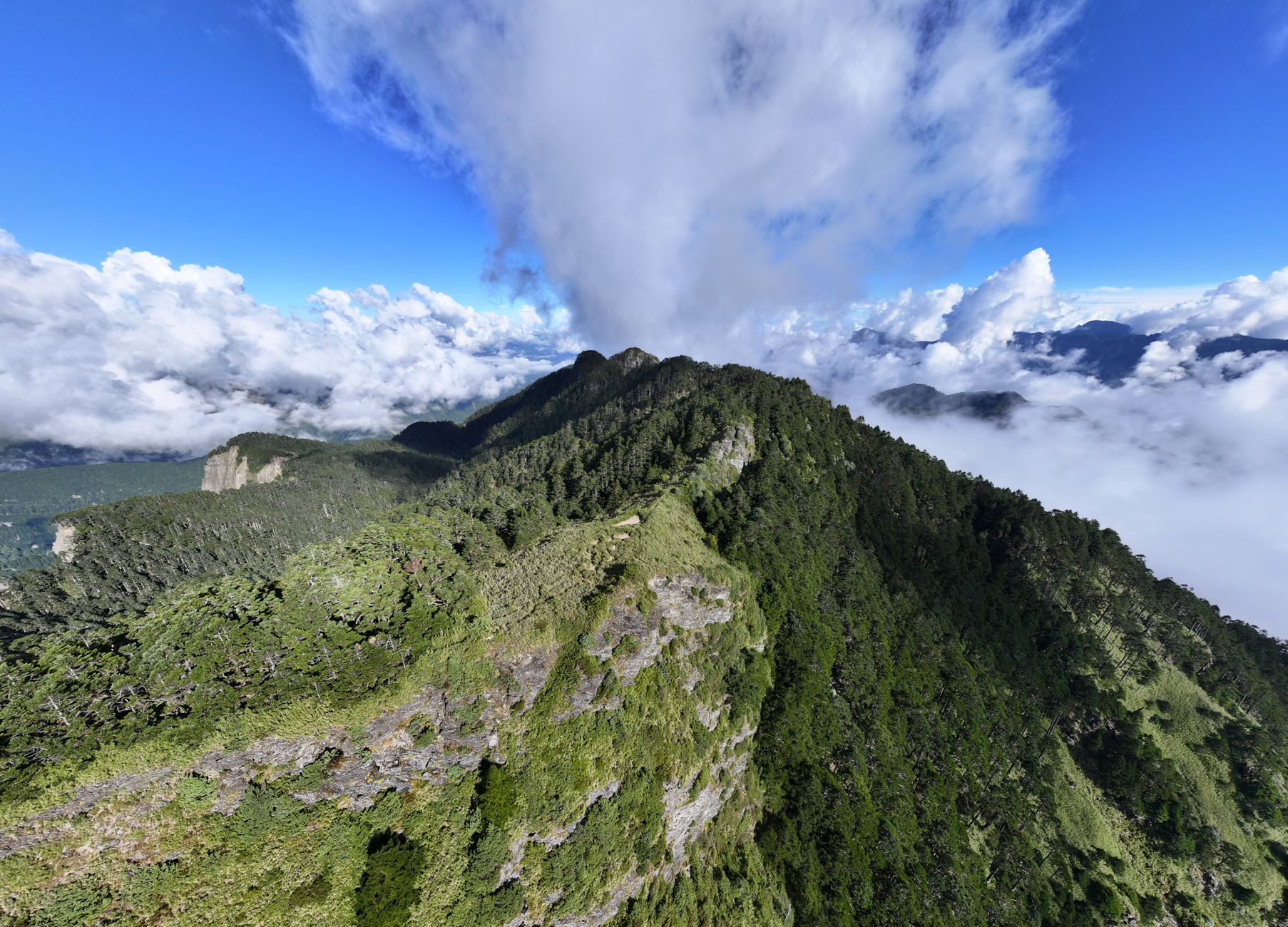
- The high mountains (Hehuanshan, Alishan, Cingjing) are noticeably colder and can even see snow in winter
Two weather pitfalls deserve special attention: the plum rains around May–June, which bring heavier rainfall, and typhoon season roughly July–September (sometimes into October). Understand the north-south and altitude differences and you can pick the right month, dodge the wet spells and spend a short holiday where it counts.
Spring (March–May): Cherry Blossoms and a Season Full of Flowers
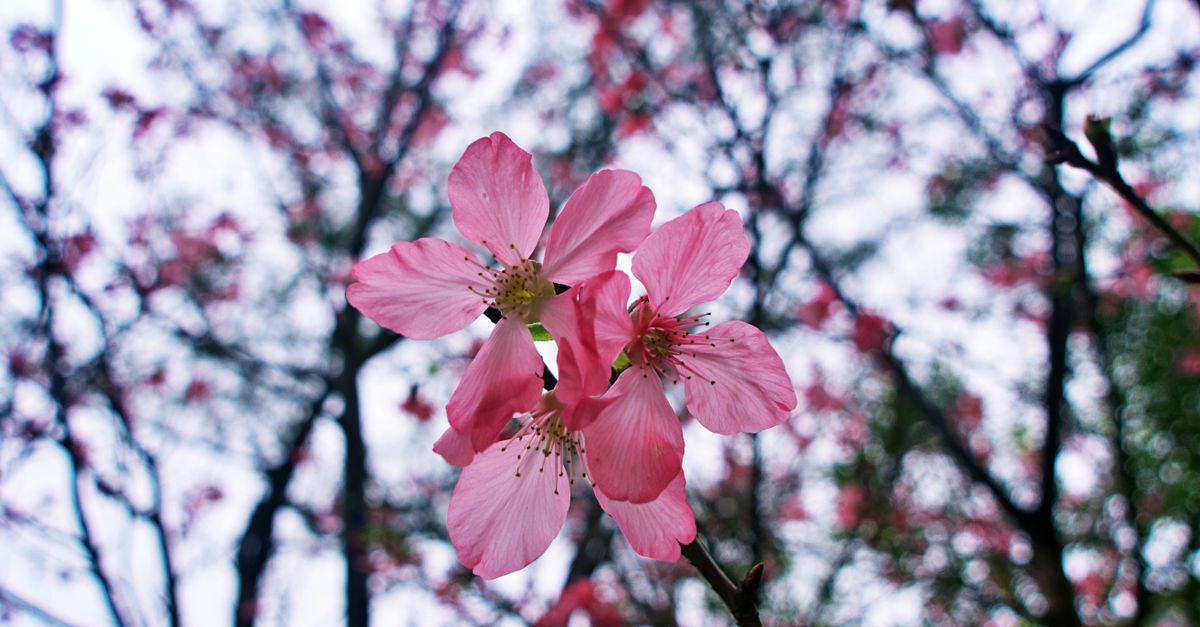
Spring brings comfortable weather and blossoms everywhere — the most romantic bloom-chasing season of the year. The classic itineraries center on cherry blossoms and flower fields:
- Wuling Farm and Alishan: seas of pink cherry blossoms around February–March; mornings are cold at altitude, so dress warmly
- Yangmingshan: cherry blossoms followed by calla lilies, close to central Taipei and perfect for a relaxed half-day
- Hydrangeas: around May–June at spots like Zhuzihu, dreamy and colorful
To plan a full bloom-season route, see our Taiwan cherry blossom charter guide. Keep in mind that bloom dates shift earlier or later with temperature and official forecasts change at short notice, so stay flexible; after May, start watching for the plum rains. With a local driver leading the way, you can chase the day's best blooms and skip the wasted detours.
Summer (June–August): Coasts, Cool Mountains and Hot-Air Balloons

Summer is hot and humid, so the play is to head for the coast and the high mountains — cooling off while catching Taiwan's most vivid season-only scenery:
- Kenting and the east coast: turquoise seas and white sand for snorkeling and swimming; use plenty of sunscreen and mind the surf and rip currents
- Luye Highland, Taitung: the hot-air balloon festival runs roughly June–August, most beautiful at dawn or dusk (confirm actual sessions with the official organizer)
- Hehuanshan and Alishan: high, cool and perfect for beating the heat with seas of clouds and sunrises
But summer is also typhoon season, so keep plans flexible and watch official weather, sea and road notices. Swim within your limits and follow the lifeguards. A charter means air-conditioning throughout, no waiting for buses under the blazing sun, and a driver who can reroute or switch to an indoor plan B if the weather turns.
Autumn (September–November): The Golden, Most Comfortable Season
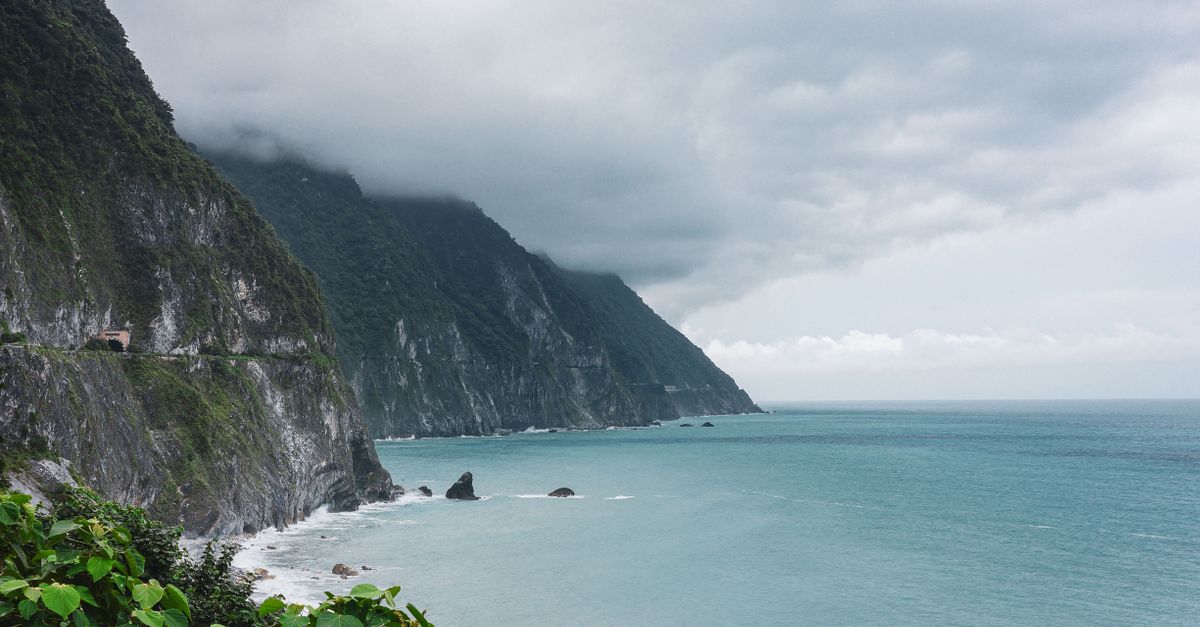
As typhoons fade and the heat lifts, autumn turns stable and cool — the most comfortable travel season of the year — great for city strolls and mountain-and-sea itineraries alike, with fewer crowds than summer:
- Maples and silvergrass: from late November, reds deepen at Fushoushan and Aowanda, while Yangmingshan and the Caoling Trail turn silver with plumes of grass
- The east coast: Qingshui Cliff and the East Rift Valley are crisp and clear — the best time for photos and scenic drives
- Cities and hill towns: pleasant temperatures make Tainan's old town, the lanes of Jiufen and Sun Moon Lake a joy
This season has almost no weather pitfalls; the only thing to book early is popular lodging and long-weekend transport, which fill up. For a cross-region mountain-and-coast route, autumn is the top pick — a charter can string together coast, hill town and old street in a single day.
Winter (December–February): Hot Springs, Snow and Escaping South
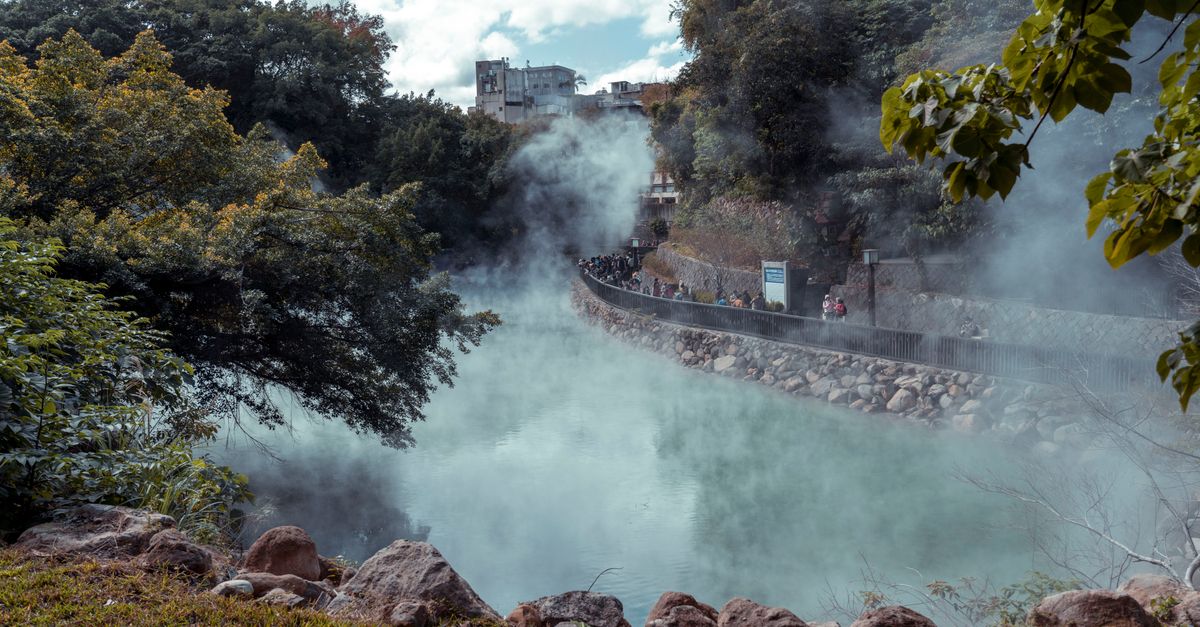
Winter is cool and rainy in the north yet pleasantly warm in the central and south — rewarding whether you chase the cold or the warmth:
- Hot springs: Beitou, Jiaoxi and Guanziling are classic spa towns, and a soak on a cold day is pure bliss — see our Taiwan hot spring charter guide
- Snow on Hehuanshan: when cold fronts hit, snow can dust peaks above 3,000 m, but mountain roads ice over and require snow chains and closures, so always follow official road notices and don't drive up on a whim
- Heading south for warmth: Tainan, Kaohsiung and Kenting enjoy mild winter sun, ideal for anyone who dislikes the cold
Note: during Lunar New Year (around January–February), some shops close, popular spots and transport get crowded and lodging prices rise, so confirm openings and reservations first. A charter runs straight to the spa towns and brings you back warm — ideal for a winter trip.
Three Periods to Watch: Plum Rains, Typhoons and New Year Crowds
Taiwan is enjoyable year-round, but three periods are worth planning around with a backup ready:
1. Plum rains (around May–June): heavy rain and high humidity, with mist in the mountains that hurts views and photos — pair with indoor or city itineraries
2. Typhoon season (around July–September, sometimes into October): work and school may be suspended and transport and outdoor sites affected; before setting out, always check the Central Weather Administration and local road and scenic-area notices
3. Lunar New Year (around January–February): some shops close, popular spots and transport jam up, and lodging and flights get pricier
If you can't avoid these dates, don't worry: the key is a flexible itinerary plus an indoor plan B. A local driver can reroute with the weather, postpone, or switch to rain-proof spots like museums, old streets and hot springs to keep the impact minimal. Safety always comes before the itinerary.
The Takeaway: How to Pick Your Month, and Why a Charter Works All Year
One principle keeps you right: pick your month by the activity you most want to experience.
- Best weather and the most freedom → autumn (October–November) or spring (March–April)
- Cherry blossoms and flowers → February–April
- Swimming and hot-air balloons → June–August
- Hot springs and fewer crowds → December–February
Whatever the season, a charter turns the weather into a minor detail: air-conditioning all summer, direct runs to spa towns in winter, flexible bloom-chasing in flower season, and instant switches to an indoor plan B in rain or typhoons. To compare a charter with the HSR and trains, see our Taiwan transport guide: charter vs HSR and train. Once you've chosen a month, just tell us your group size, route and travel dates on the website — we'll plan the best itinerary for the season and reply with a quote based on your group and route, usually within two hours.