
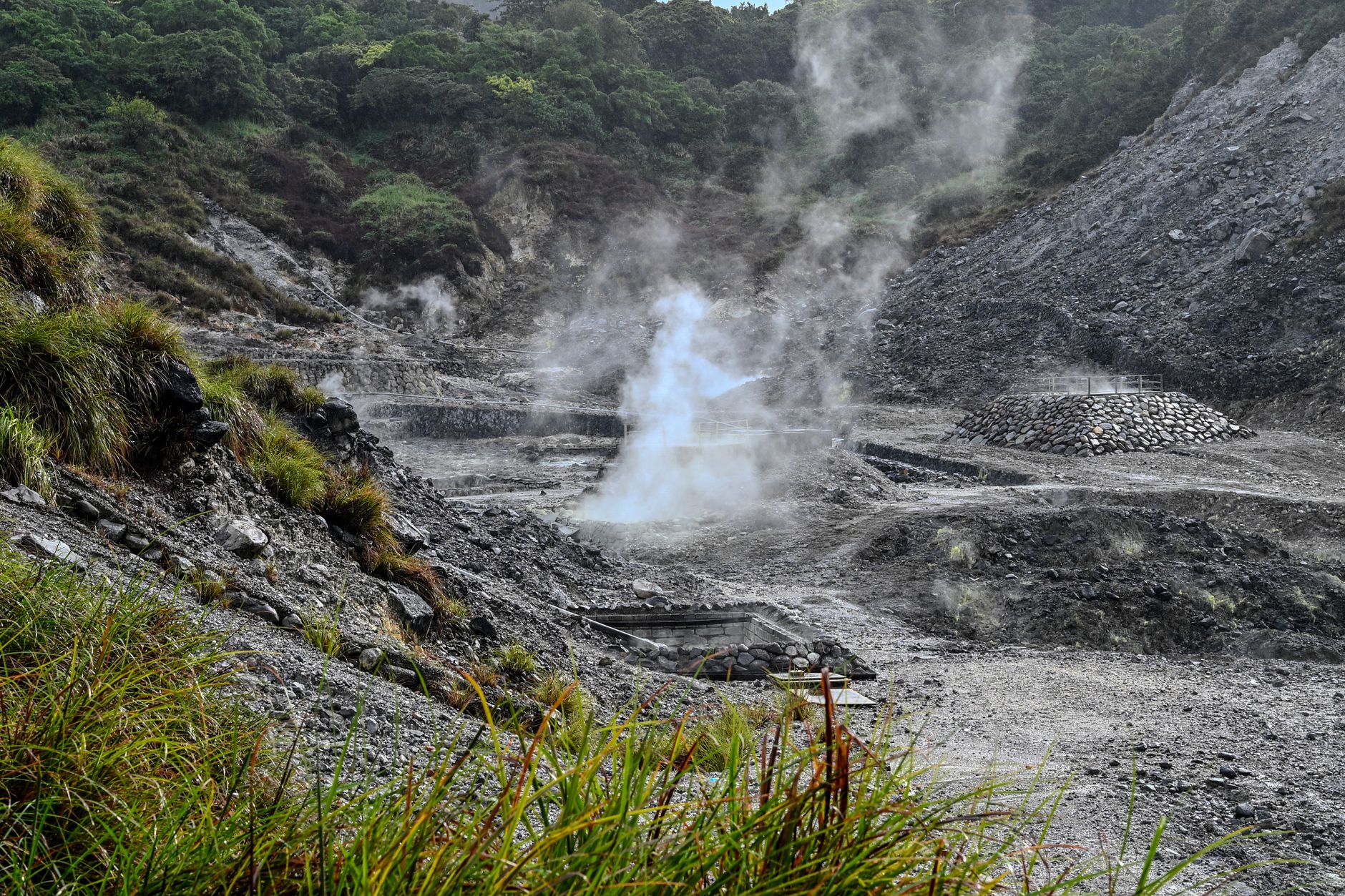
Why Taiwan Is Truly an "Island of Hot Springs"
Sitting on the Pacific Ring of Fire, Taiwan is blessed with abundant geothermal energy, and hot springs are found from the far north to the deep south, from coastal plains to high mountains. The water types are wonderfully varied: sulphur-scented sulphur springs, skin-softening sodium bicarbonate springs (the famous "beauty baths"), and even the rare mud springs found in few other places. Hot springs can be enjoyed all year round, but the cool days of autumn and winter are when a warm soak feels most blissful. Before you plan, it helps to understand Taiwan's seasons and the best time to visit, so you can weave soaking, scenery and seasonal food into one rich wellness journey.
Beitou — Greater Taipei's Century-Old Hot Spring
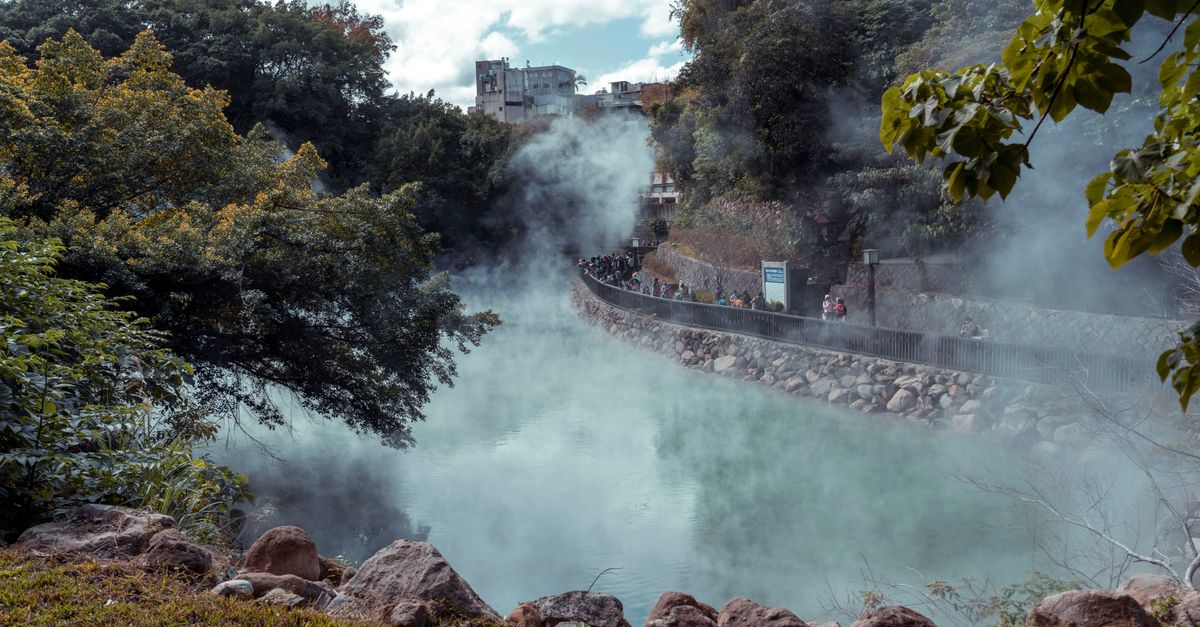
Beitou is just a short metro ride from central Taipei, making it the most accessible hot-spring destination of all. It is famous for its green sulphur and white sulphur springs; a faint sulphur scent hangs in the air and the Thermal Valley steams year-round. Beyond soaking, you can stroll around the Beitou Hot Spring Museum, the public library and the thermal park — an easy pace that suits families and older travellers. One word of caution: the water in the Thermal Valley is extremely hot, so never touch it or wade in, always follow the posted signs, and keep a close eye on children. Opening hours differ between the public baths and private spring rooms, so please check official announcements before you go.
Yangmingshan and Wulai: Volcanic Sulphur and Waterfall "Beauty Baths"
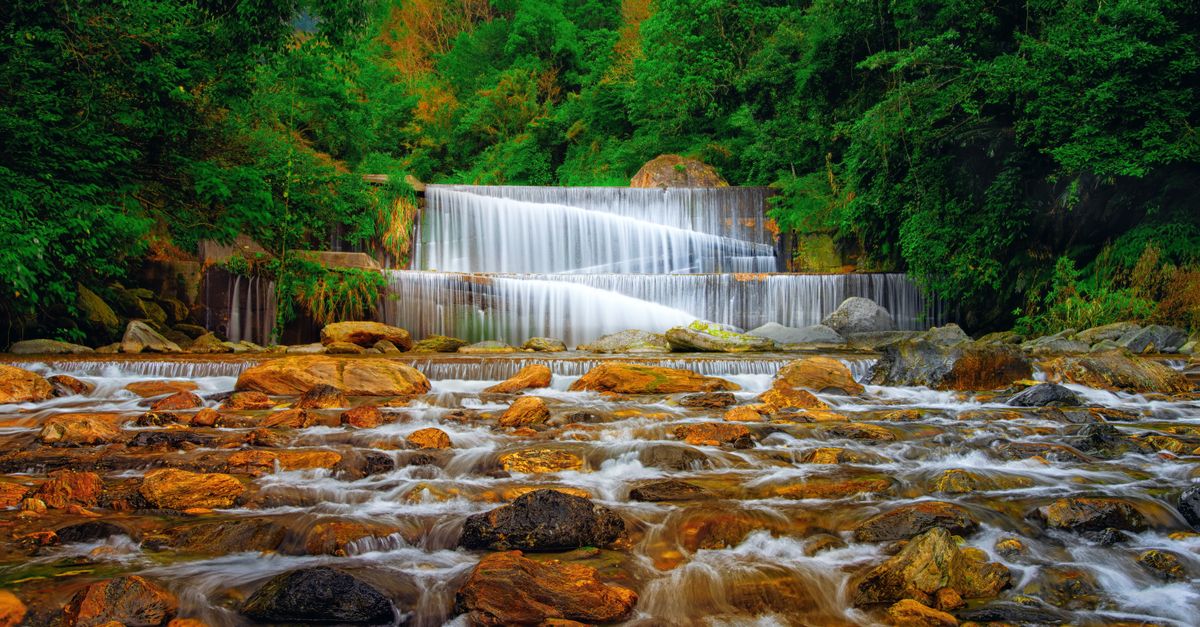
To escape the bustle, head for the hills. The Yangmingshan area is volcanic terrain, where sulphur springs pair with seasonal blossoms and silvergrass, giving each season its own charm — as our Yangmingshan day tour explains. Further south, Wulai in New Taipei offers a different mood: its sodium bicarbonate water is clear and silky, long celebrated as a "beauty bath." Between soaks you can admire Wulai Waterfall, ride the little trolley and the cable car, and feel the mountain-forest atmosphere of the Atayal community. The mountain roads are winding, and driving after rain or in winter calls for care, so a chartered driver who knows the route brings real peace of mind.
A Town-Centre Spring on the Lanyang Plain: Jiaoxi
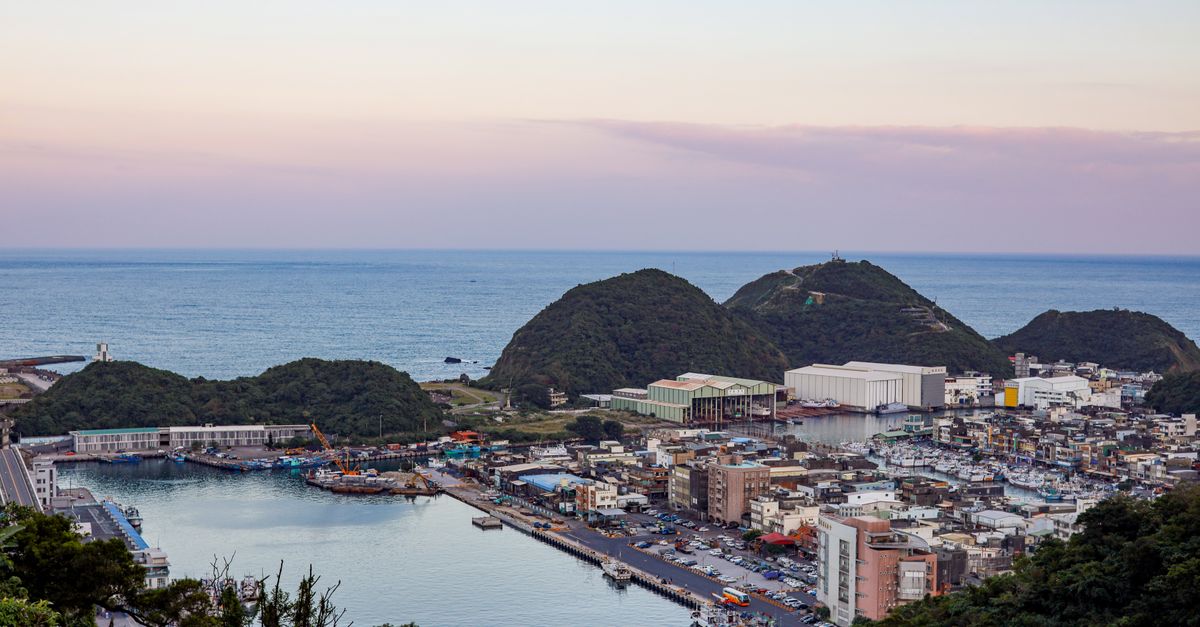
Jiaoxi in Yilan is one of Taiwan's rare lowland hot springs, with colourless, odourless sodium bicarbonate water that feels smooth rather than sticky. It sits about an hour from Taipei through the Xueshan Tunnel, so access is easy, and the town is full of private spring rooms, foot baths and hot-spring hotels, along with local produce such as hot-spring water spinach. Pairing a soak with Yilan's nature and food makes for a flexible, rewarding trip; we recommend combining it with the Yilan Jiaoxi–Luodong day tour to enjoy springs, old streets and rural life in one go. Even gentle foot baths are best kept to 15–20 minutes per soak to avoid discomfort.
Central, Southern and Eastern Star Springs: Guguan, Guanziling and Zhiben
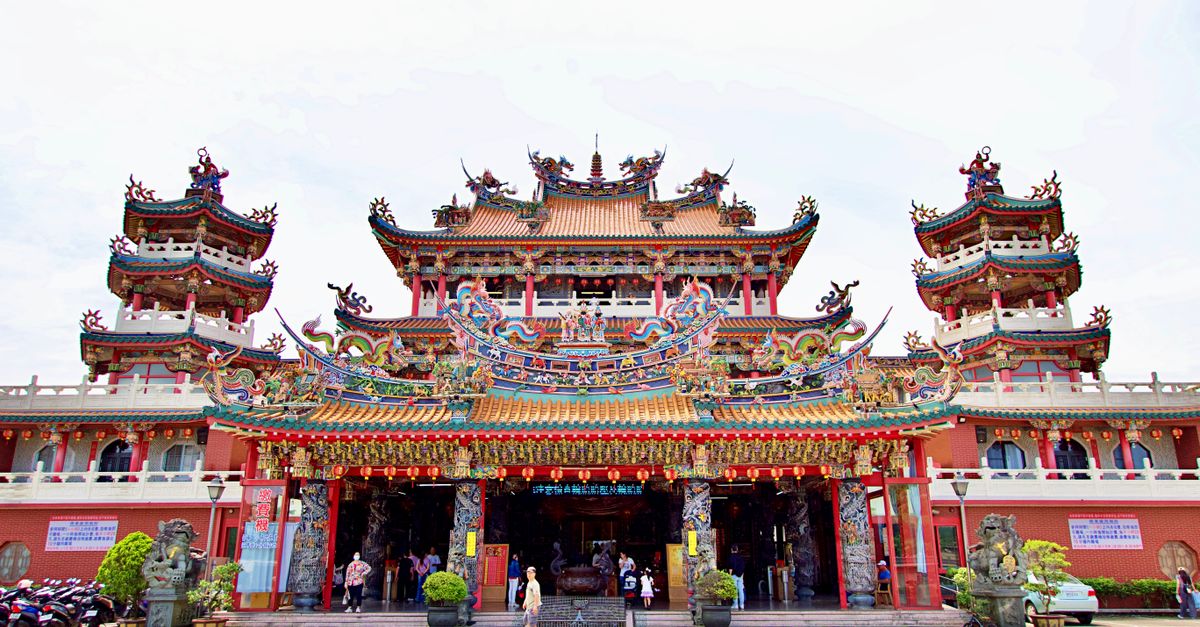
The further south and east you go, the wider the scenery. Guguan in Taichung nestles in the gorges beside the Dajia River, its mild waters ringed by mountains — a well-known spring village in central Taiwan. Guanziling in Tainan boasts one of the island's rare mud springs: greyish, faintly sulphurous water that leaves skin feeling silky, a truly distinctive southern experience. Zhiben in Taitung has an abundant flow and sits beside a forest recreation area, so soaking here among the valleys feels especially serene. These springs are mostly scattered across mountain towns, far apart and thinly served by public transport, so linking them by charter spares you the hassle of endless transfers.
Hot-Spring Etiquette and Safety
Master a few basics before you soak, and you'll relax with total peace of mind:
- Shower and rinse before entering the pool to keep the water clean — this is basic spring etiquette.
- Keep each soak to 15–20 minutes; if you feel dizzy or your heart races, get out at once, rest and rehydrate.
- Avoid bathing on an empty stomach, after drinking alcohol or straight after a meal; pregnant women, people with cardiovascular conditions and older travellers should consult a doctor and keep soaks short.
- Some public pools require swimwear, while nude baths are segregated by gender — check each venue's rules before entering.
When travelling with children, watch the water temperature and their safety closely, and never let them linger alone at the poolside. A little preparation lets you truly unwind in the warmth.
Let a Private Charter Tie Your Hot-Spring Journey Together
Taiwan's hot springs are scattered across the north, centre, south and east, mostly in mountains or small towns, and reaching them by public transport often means multiple time-consuming transfers. A private charter means you never chase timetables with luggage in hand: your driver drops you right at the spring-house door and can stop at old streets, sights and local restaurants along the way, with the whole itinerary shaped around your pace — especially welcoming for families travelling with elders and children. Whether it's a one-day Jiaoxi soak, a half-day Beitou escape, or a multi-day tour linking the central, southern and eastern springs, we can tailor it to you. Actual pricing is quoted by group size, route and season, so send an enquiry through our website and we'll reply within two hours to arrange a soak that warms you to the core.