Taiwan's Cherry Season: A Relay from Lowlands to High Mountains
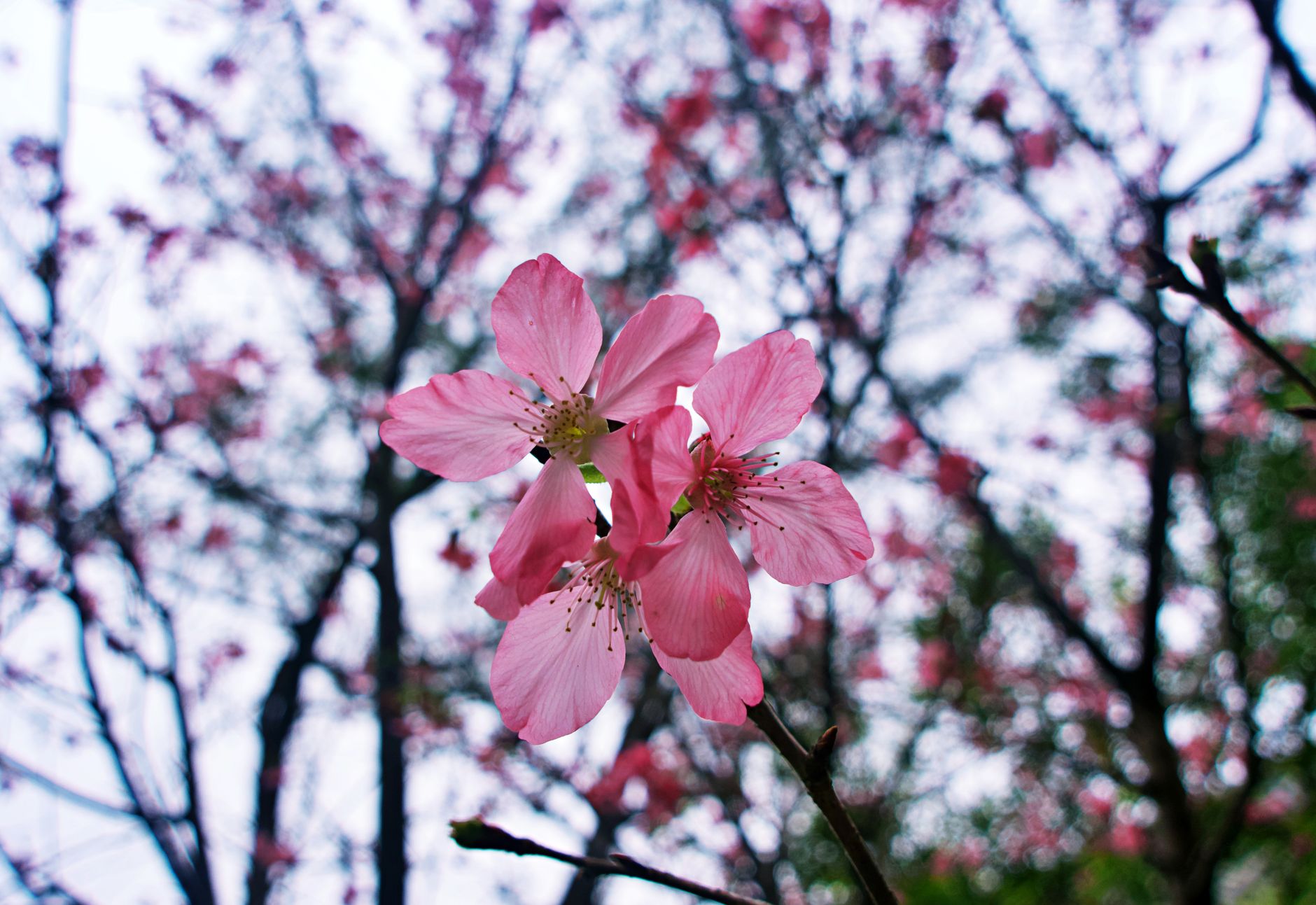
Taiwan's cherry blossom season runs roughly from late January all the way through late March and even early April, blooming in succession by variety and altitude — making Taiwan one of the few places in Asia where you can chase sakura for nearly three months. First to open are the lowland Formosan mountain cherries (Prunus campanulata), with their vivid, bell-shaped crimson flowers; next come the double-petaled Yae and Showa cherries; and the finale belongs to the high-mountain Yoshino cherries and Wuling Farm's signature "Pink Lady." Because the elevation range is so wide, at any given moment you might catch cold cherries in Taipei while Yoshino cherries are still budding on Alishan. To time the bloom well, check each site's real-time bloom reports before you set out and keep one or two flexible days in your plan. If you're still deciding which month to travel, start with the best time to visit Taiwan by season and slot cherry viewing in. The peak is short and the weather changes fast, so lock in transport and lodging early for a calmer trip.
Wuling Farm: Taiwan's Most Celebrated Cherry Sanctuary
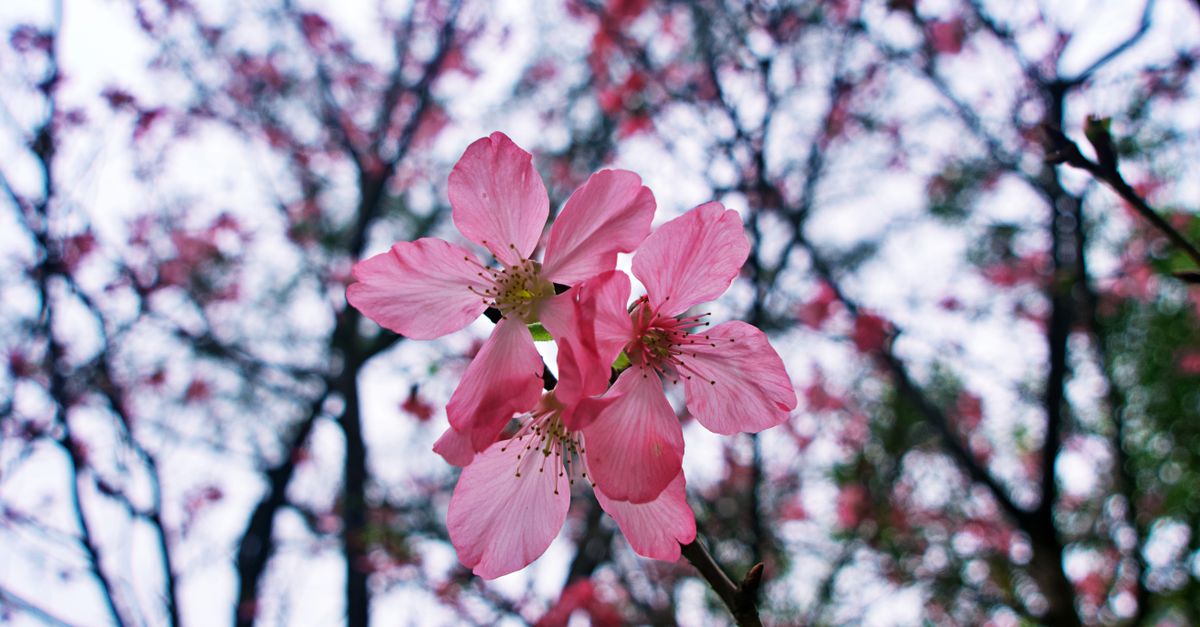
Wuling Farm sits in a high-mountain valley in Taichung's Heping District at roughly 1,700–2,000 meters, and it is Taiwan's single most celebrated cherry-viewing destination. Its exclusive "Pink Lady" cherries reach full bloom around mid-February, when tens of thousands of trees line the creek, tea terraces, and lodges, dyeing the whole valley a dreamy pink — a once-in-a-lifetime sight for many. Because it is so popular, the farm enforces traffic volume controls during cherry season: self-drivers must reserve an entry permit online in advance, often combined with shuttle transfers, and the limited quotas sell out fast. Exact rules follow Wuling Farm's official announcements. This is exactly why many travelers choose a charter — a driver who knows the mountain roads handles the controlled sections under the rules, sparing you the scramble for permits and the stress of long alpine driving. Temperatures swing sharply between day and night, so dress in layers for early-morning viewing and watch for slippery paths. The bloom window is short and shifts slightly year to year, so reconfirm real-time bloom reports before you go.
Alishan: Yoshino Cherries, a Sea of Clouds, and the Forest Railway
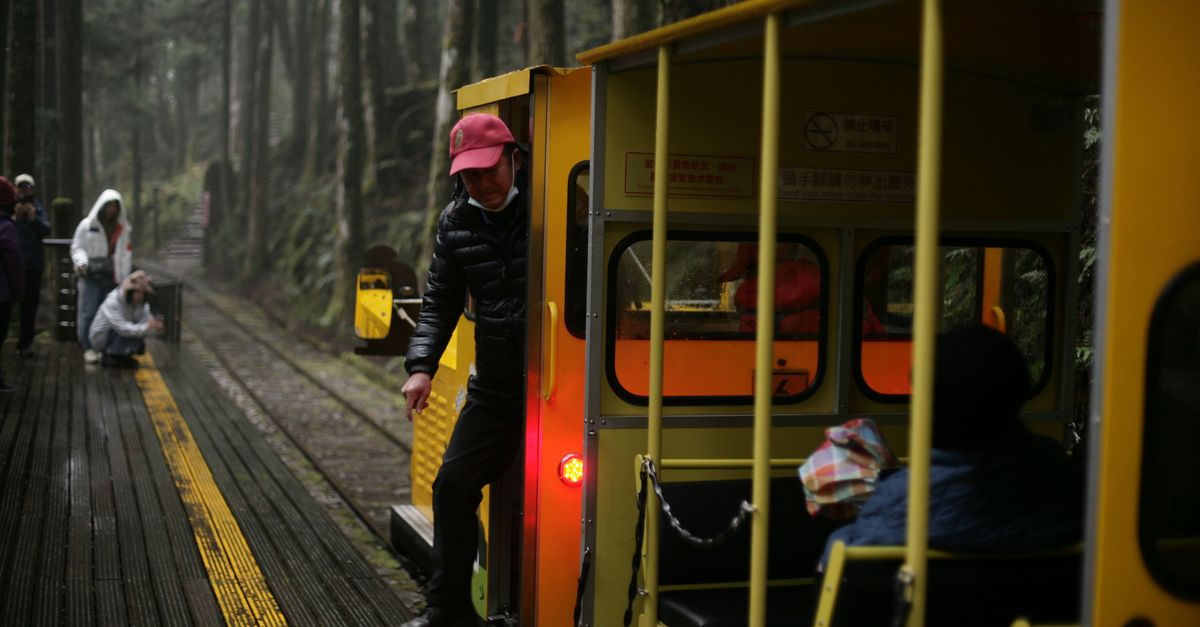
If you want cherry blossoms, a high-mountain sea of clouds, and a forest railway all in one, Alishan is irreplaceable. Its cherry season usually lags the lowlands: Yoshino cherries peak around mid-to-late March, when drifts of pink-white blossom spread along Zhaoping Park, the Zhushan railway line, and the groves of ancient giant cypress — and at dawn you might catch a sea of clouds and sunrise in the same frame. The classic experience is riding the Alishan Forest Railway through tunnels of cherry blossom; that interplay of vintage rail and petals is a shot photographers chase every year. To dig deeper into transport, sunrise, and the railway itinerary, read on: the Alishan sunrise and forest railway tour. Do note that Alishan tops 2,000 meters and dawn temperatures can drop to single digits, so pack warm layers. Mountain weather is fickle, and both sunrise and the cloud sea take a little luck, so keep your schedule flexible. Bloom timing varies slightly year to year, so check the park's live announcements before you set out.
Aboriginal Culture Village & Sun Moon Lake: Night Sakura Meets the Water
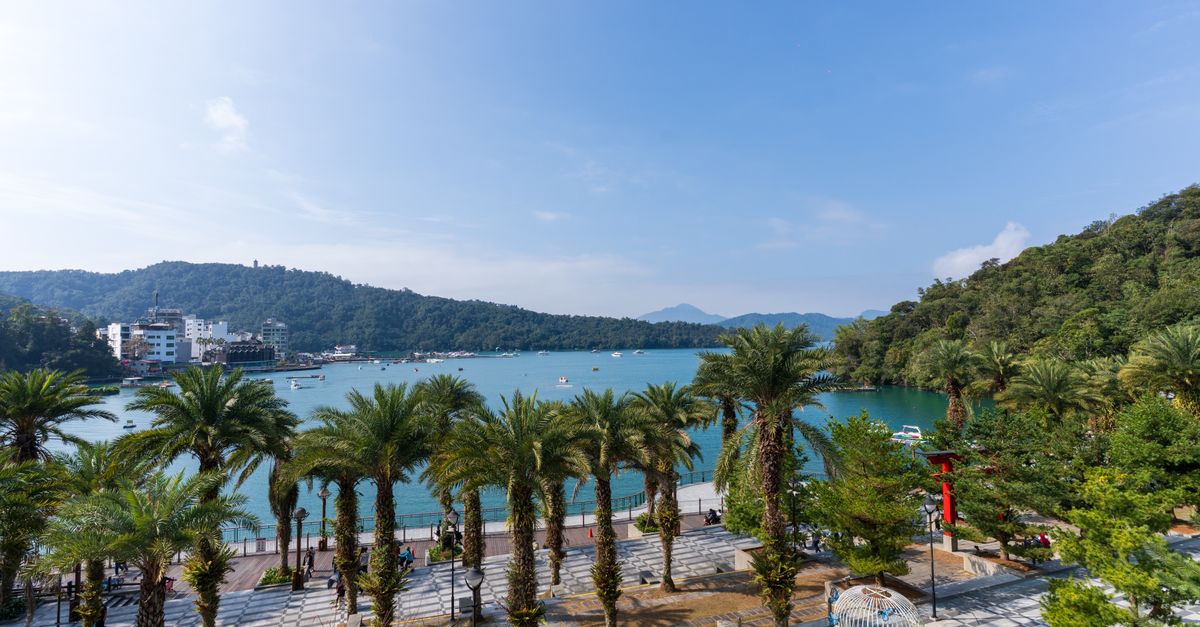
To weave cherry viewing, a lake cruise, and night sakura into one route, Nantou flows best. The Formosan Aboriginal Culture Village is one of Taiwan's few large-scale cherry parks, where thousands of Yae and Yoshino cherries bloom in relay from roughly mid-February through March, and after dark the illuminated night sakura carry a special mood. The park links to Sun Moon Lake by cable car, so one ticket can pair lake views with the blossoms (lighting hours and events follow official announcements). Coming down, circle Sun Moon Lake itself — cycling the shore, taking a boat across, or visiting Wenwu Temple and Ita Thao make the classic combination; for a fuller plan see the Sun Moon Lake day tour. With extra time and clear skies, you can push on to Cingjing Farm and Hehuanshan for high-mountain scenery. This central route has winding mountain roads and spread-out sights, so letting a local driver handle the transfers is by far the easiest way.
Northern Spots: Yangmingshan, Tamsui Tianyuan Temple & Lalashan
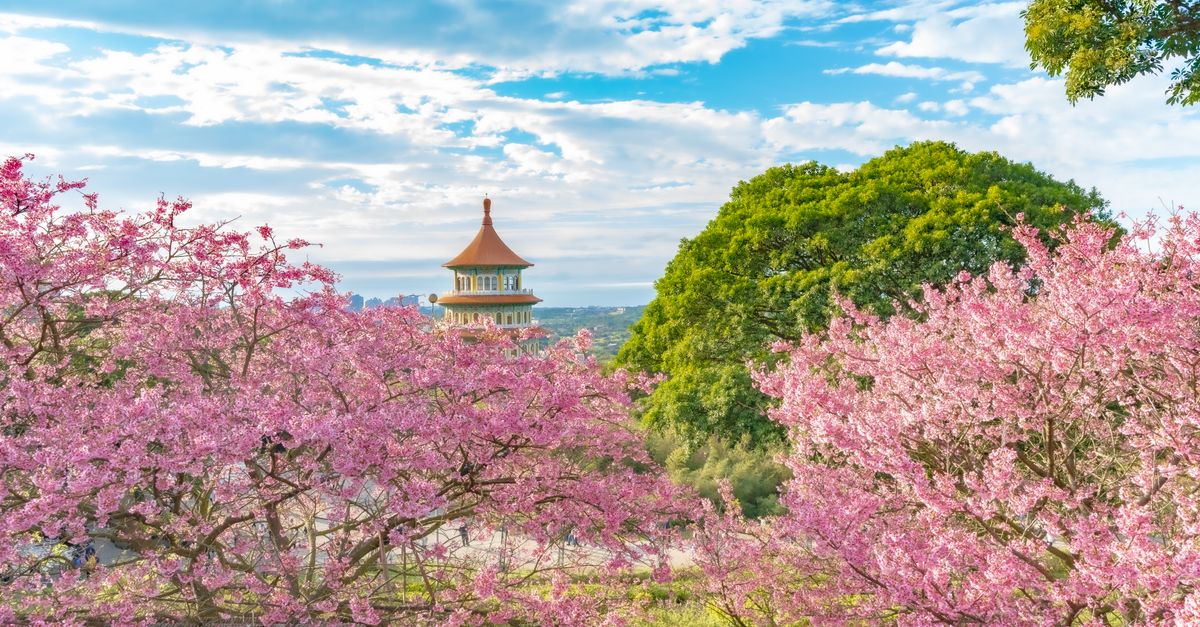
If your trip stays around Greater Taipei, you can enjoy cherry blossoms without going far. The cold cherries on Pingjing Street in Taipei's Yangmingshan open earliest, around late January to February, a whole crimson row lining residential lanes — one of Taiwan's first sakura photo spots. Yangmingshan Park and the Flower Clock area then take over with several later varieties; for a route to combine them, see the Yangmingshan day tour. In New Taipei, the Yoshino cherries at Tamsui Tianyuan Temple peak around March, with a pink-white sea encircling the soaring temple for a truly distinctive scene; afterward you can wander the old street and catch the seaside sunset — see the Tamsui sunset tour. For something more off-track, Taoyuan's Lalashan and the New Taipei hills hide quieter cherry spots too. Northern sites are spread out, with weekend crowds and tight parking, so a nimble charter is the best way to make the most of a short bloom. Confirm each site's bloom status and events via official live announcements.
Practical Tips: Bloom Reports, Layers, and Safety
To enjoy cherry viewing to the fullest, preparation matters more than luck. A few practical essentials:
- Track live bloom reports. "Full bloom" usually lasts only about one week and is highly weather-dependent, so check each site's official or social-media bloom updates before you leave.
- Dress in layers. Dawn at Wuling, Alishan, and Hehuanshan can approach 0–10°C, then warm up once the sun is out; layering works best, and bring rain gear and non-slip shoes.
- Avoid the peak crush. Popular spots are packed on weekends — go on weekdays, or arrive early and stay for the evening night sakura.
- Mind mountain traffic controls. Places like Wuling Farm run volume controls and reservation systems; self-drivers must apply ahead, and rules follow official announcements.
- Safety first. Mountain paths are slippery and roads are winding, so never climb over railings or stop on curves for a photo; drive slowly at altitude and watch for discomfort from elevation changes.
Hand these details to a local driver who knows the way, and you can focus entirely on the blossoms.
Chase the Blossoms by Charter: Quick Inquiry, Reply Within 2 Hours
Cherry season is short, weather-driven, and concentrated in hard-to-reach high mountains — which makes it one of the ideal subjects for a charter. With a Rayway GO charter, a local driver who knows both the mountain roads and the bloom conditions can flexibly adjust your destination based on the latest reports — if Wuling underdelivers today, switch to another spot in full bloom and make the most of a short window. One car takes you door to door, with no transfers and no hauling luggage onto shuttles, which is especially kind to families traveling with elders and children; for planning, see the Taiwan family charter guide and our multilingual driver service. Cost varies by group size, route, number of days, and season, so it is best quoted against your actual needs. Tell us your dates, party size, and the cherry spots you have in mind, send a quick online inquiry through the site, and we'll reply within two hours to tailor your blossom-chasing trip.