
God's Tribe: The Mystical Allure of Smangus
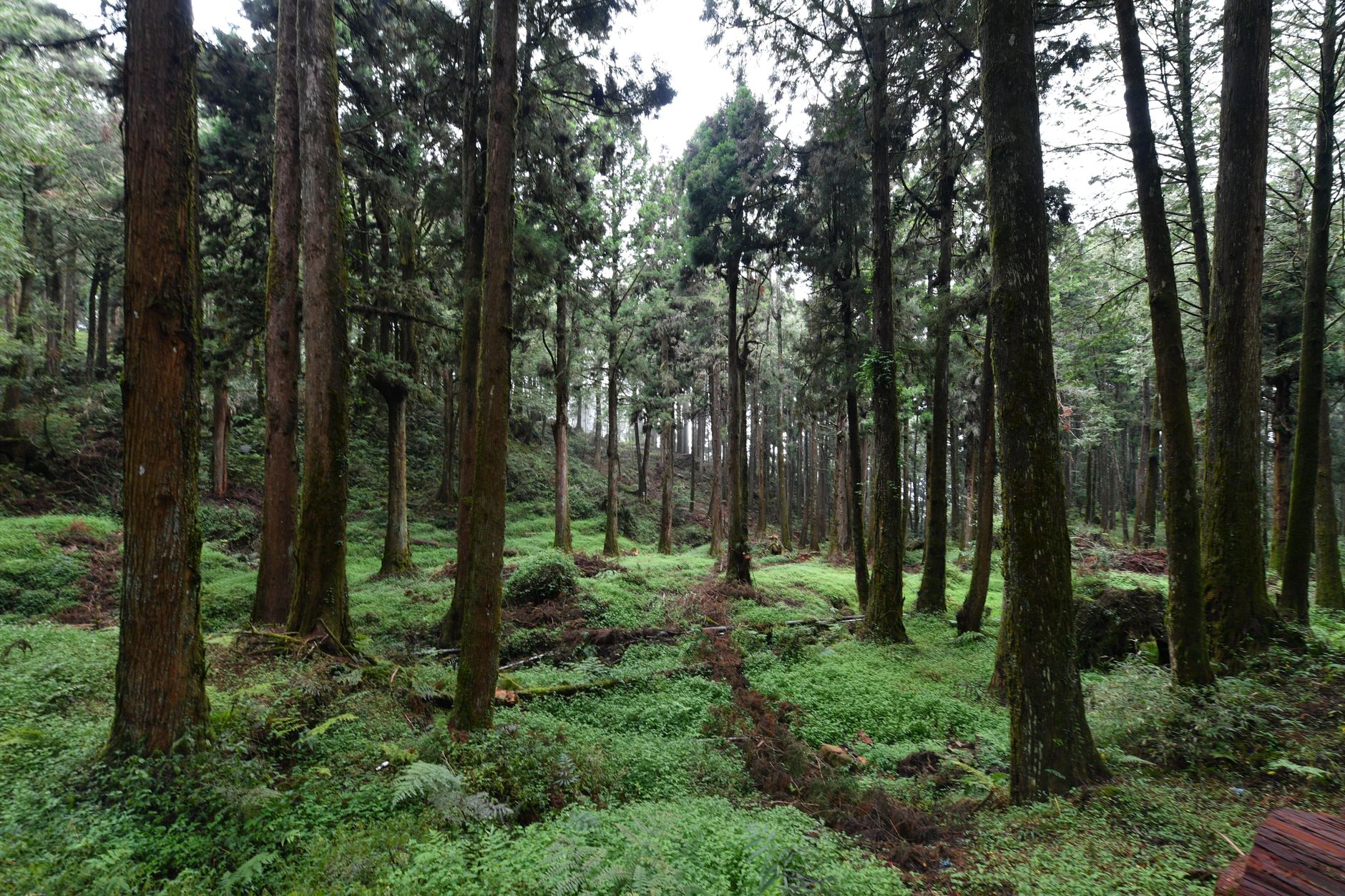
Tucked deep within the rugged peaks of Jianshi Township in Hsinchu County, Smangus (司馬庫斯) is one of Taiwan's most remote Atayal villages — and among the very last to receive electricity — which earned it the nickname 'God's Tribe.' Sitting at roughly 1,500 metres, it is wrapped year-round in mist that preserves rare old-growth cypress forest and pristine mountain wilderness.
What truly made Smangus famous is its grove of giant trees, only 'rediscovered' by the community in the 1990s: thousand-year-old red cypress so vast it takes several people to encircle them, standing silently at the trail's end. That sense of sacred isolation, paired with the warm hospitality of the Atayal people, leaves every traveller who makes the long journey feeling it was worthwhile. If you are planning a deeper trip through Hsinchu's hills, start with our Hsinchu Neiwan day tour.
Getting to Smangus: Roads, Access and Traffic Control
There is no direct public transport to Smangus, and the final mountain stretch is narrow and steep — this is the part of the trip that demands the most planning.
- Long drive: From Hsinchu HSR station, the winding mountain road often takes 3 to 4 hours or more each way — not a casual 'day-trip' distance.
- Single-lane traffic control: Beyond Xiuluan, sections of the road allow only one-way traffic, with designated daily windows for going up and coming down. Exact times follow the village's official announcements; miss one and you wait for the next release.
- Leave early: Plan around the control windows and allow a buffer for weather or rockfall delays.
- Mountain driving: Expect hairpin bends and cliffside sections that turn slick in the rain — demanding for anyone unfamiliar with mountain roads.
For all these reasons, most visitors choose a chartered car with a driver who knows the road, keeping their attention on the scenery rather than the wheel and unfamiliar control gates.
The Giant Trees Trail: Meeting the Thousand-Year Cypress
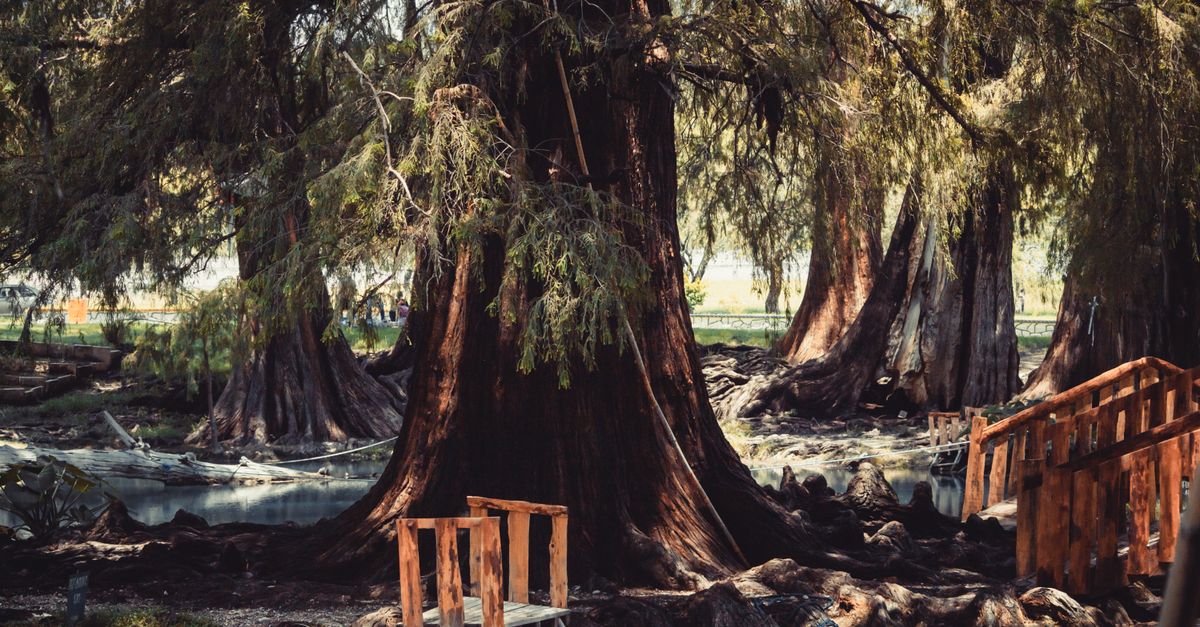
The heart of any Smangus visit is the walk to the Giant Trees Trail. The path runs roughly 5.2 km one way (about 10.4 km round trip), threading through bamboo groves, primeval cypress forest and murmuring streams. Allow 4 to 5 hours for the return — a moderate route most reasonably fit walkers can manage.
At the far end stands the grove of red cypress the community reveres as 'YaYa' (the Grand Elder). The largest is estimated at over 2,500 years old and takes more than twenty people to encircle; standing beneath it and looking up, the sense of awe is hard to put into words.
Trail tips:
- Wear grippy hiking shoes and carry enough water and snacks
- Pack a light jacket — mornings and evenings are cold, and afternoon mist rolls in
- Pace yourself and stay within sight of your group
- Respect the trail: keep noise down and leave no litter
If this kind of communion with ancient trees and old-growth forest speaks to you, don't miss the Alishan sunrise forest railway.
Four Seasons: Blossoms, Cool Escapes and Starry Skies
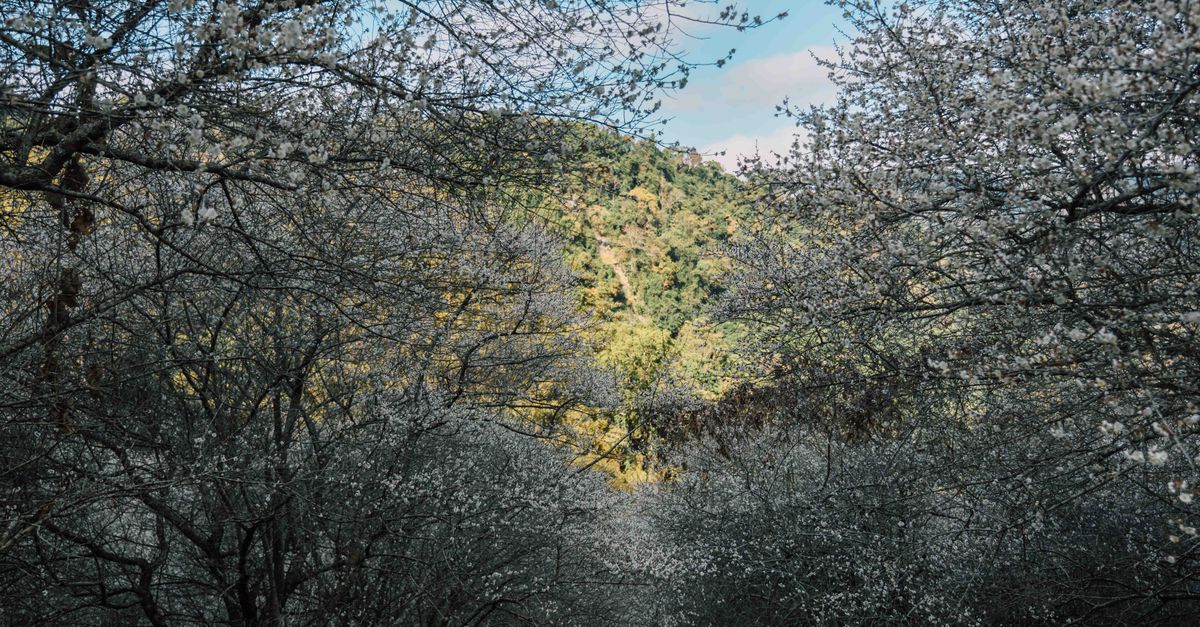
At 1,500 metres, Smangus wears a different face in every season:
- Spring (Feb–Mar): Cherry and mountain-cherry blossoms open in succession, dyeing the village a pink dreamscape — a photographer's favourite.
- Summer: While the lowlands swelter, the air here stays cool and pleasant, and the lush forest is perfect for a hiking escape.
- Autumn: Stable weather and crystal-clear air make the Milky Way and star-filled skies vivid after dark — prime stargazing season.
- Winter: Temperatures drop, with occasional frost and rare snowfall lending the ancient trees an even more solemn beauty.
Whatever the season, mountain weather changes fast and day-night temperature swings are large, so layer your clothing and always pack rain gear. Travellers chasing the blossoms can pair this with our Taiwan cherry blossom charter for a pink-tinted itinerary.
Atayal Culture and the Tnunan Cooperative
What moves visitors most at Smangus is not only the trees but the people. The Atayal community here runs a rare 'Tnunan' cooperative system — residents work collectively and share income, jointly running the guesthouses, restaurant and farms so the village can sustain itself and keep its culture alive within modern life.
Once here, resist the urge to rush off — slow down instead:
- Taste local flavours at the village restaurant: bamboo-tube rice, makauy (mountain pepper) sausage, highland cabbage and wild boar
- Listen to elders share stories of migration, roots and guarding the ancient trees
- Pick up handmade crafts to carry a blessing home
Remember this is a living home, not a theme park: respect local rules, ask before taking photos, keep your voice down and leave no litter — the most basic courtesy any traveller can offer.
Two Days, One Night: Lodging and Itinerary Planning
Because of the long drive and the traffic-control windows, a same-day round trip is rushed — you may not even reach the tree trail. We therefore strongly recommend a two-day, one-night stay, so you can walk the full route unhurried and still catch the priceless starry sky and dawn sea of clouds.
Sample itinerary (2 days, 1 night):
1. Day 1 morning: Set off from the city, timing the ascent to the control window, savouring mountain views en route
2. Afternoon: Arrive, check into a village guesthouse, stroll the village and learn about Atayal culture
3. Evening: Enjoy a local dinner and, on clear nights, a sky full of stars
4. Day 2 early morning: Rise early to walk the Giant Trees Trail and meet the thousand-year cypress
5. Afternoon: After lunch, descend according to the control window
Lodging note: Rooms are limited and centrally managed by the community, so book well ahead — even earlier for peak and cherry-blossom season. Confirm current rates and availability through the village's official channels, and never head up assuming you'll 'sort it out on arrival.'
Leave the Hard Road to Us: Charter and Fast Quotes
Smangus's beauty is worth the long journey — but narrow mountain roads, single-lane controls and hours behind the wheel shouldn't fall on the star of the trip. Hand it to a RaywayGO driver who knows these roads, sit back in a comfortable vehicle to enjoy the scenery, and save your energy for the tree trail.
Why charter:
- Door-to-door pickup: Straight from the airport, hotel or HSR station — no transfers, no hauling luggage
- Flexible around traffic control: Your driver tracks road conditions and release windows, cutting dead waiting time
- Multilingual support: Assistance in Chinese, English, Japanese and Korean puts overseas travellers at ease
- Tailored to your group and route: Easily add Neiwan, Jianshi or other stops along the way
We don't quote a one-size-fits-all price — instead we give a custom quote based on group size, days and route (any market figures are for reference only). Just fill in your request on our website and we usually reply within two hours, turning God's Tribe into an easy, unforgettable trip.