Why a charter makes Alishan cherry blossom season painless
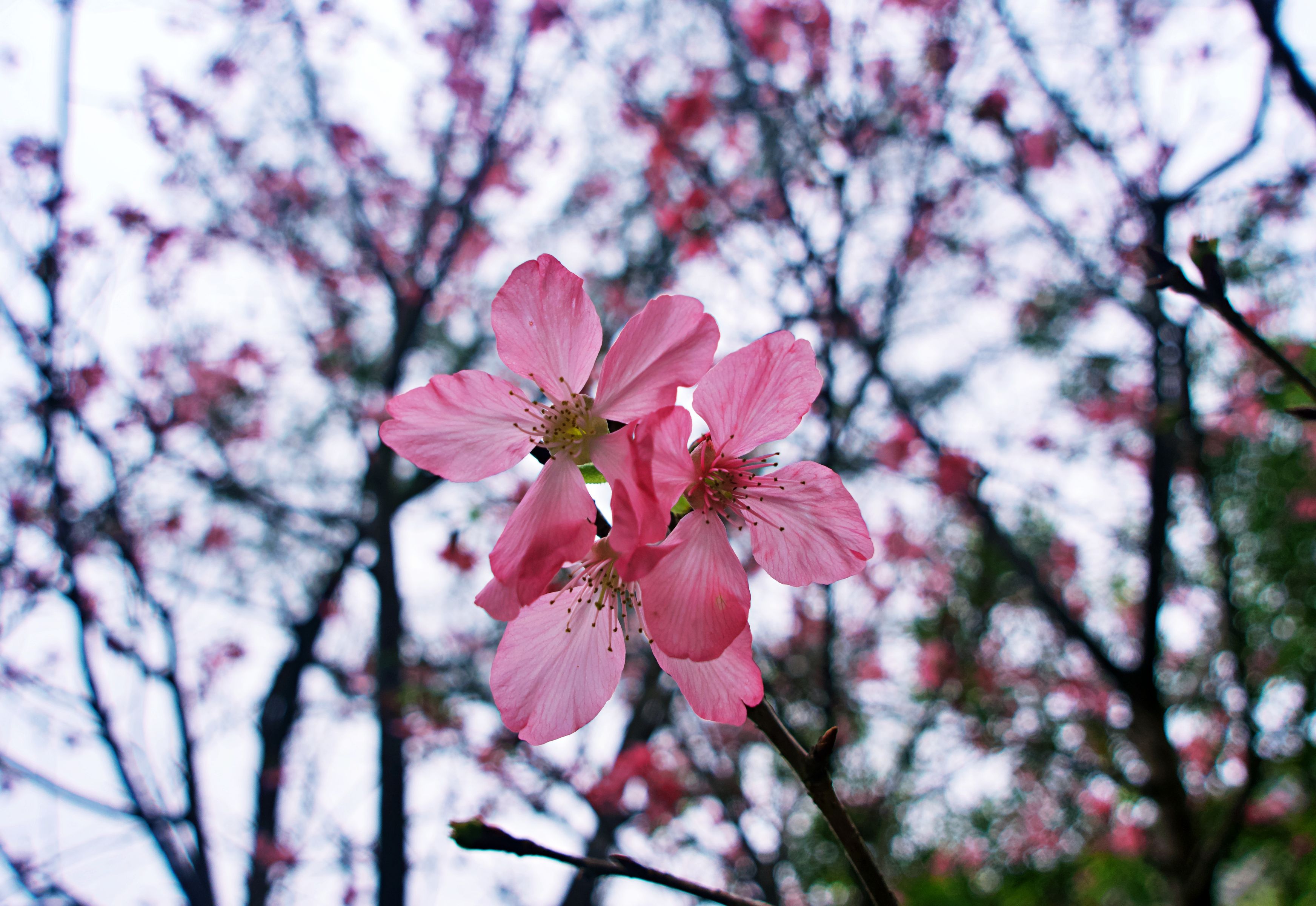
From mid-March to early April each year, the Alishan cherry blossom season is Taiwan's highest-altitude and longest-running sakura event. Clouds of pink-white Yoshino cherries line the forest railway, Zhaoping and Zhushan into a sea of blossoms floating above a sea of clouds. It is breathtaking — and notoriously congested. During the season, specific sections of Provincial Highway 18 restrict private cars from driving up during morning hours, so self-drivers spend the early hours queuing at the bottom, hunting for parking, then transferring to a shuttle. Many end up spending more time on logistics than on flowers.
An Alishan cherry blossom tour by private charter outsources the worst part: a local driver who knows the timing, drops you in before the restriction starts or meets you precisely at the transfer point outside the control zone — no parking, no hauling luggage in a shuttle line. This is our annually updated guide to the season's bloom, traffic control and transfers, so you can spend your time on the blossoms.
Reading the bloom: a relay of species, not just one week
The magic of Alishan's flower season is that it is not a single variety blooming at once — several cherry species take turns, stretching the season from mid-February into mid-April. Based on official announcements (confirm with that year's Alishan National Forest Recreation Area / Forestry Bureau Chiayi Branch notice, as dates shift annually), the usual order is:
- Early (mid-Feb to early March): Okame, Ryukyu and Karami cherries open first, in deeper pinks.
- Mid (early to late March): Wushe mountain cherry takes over.
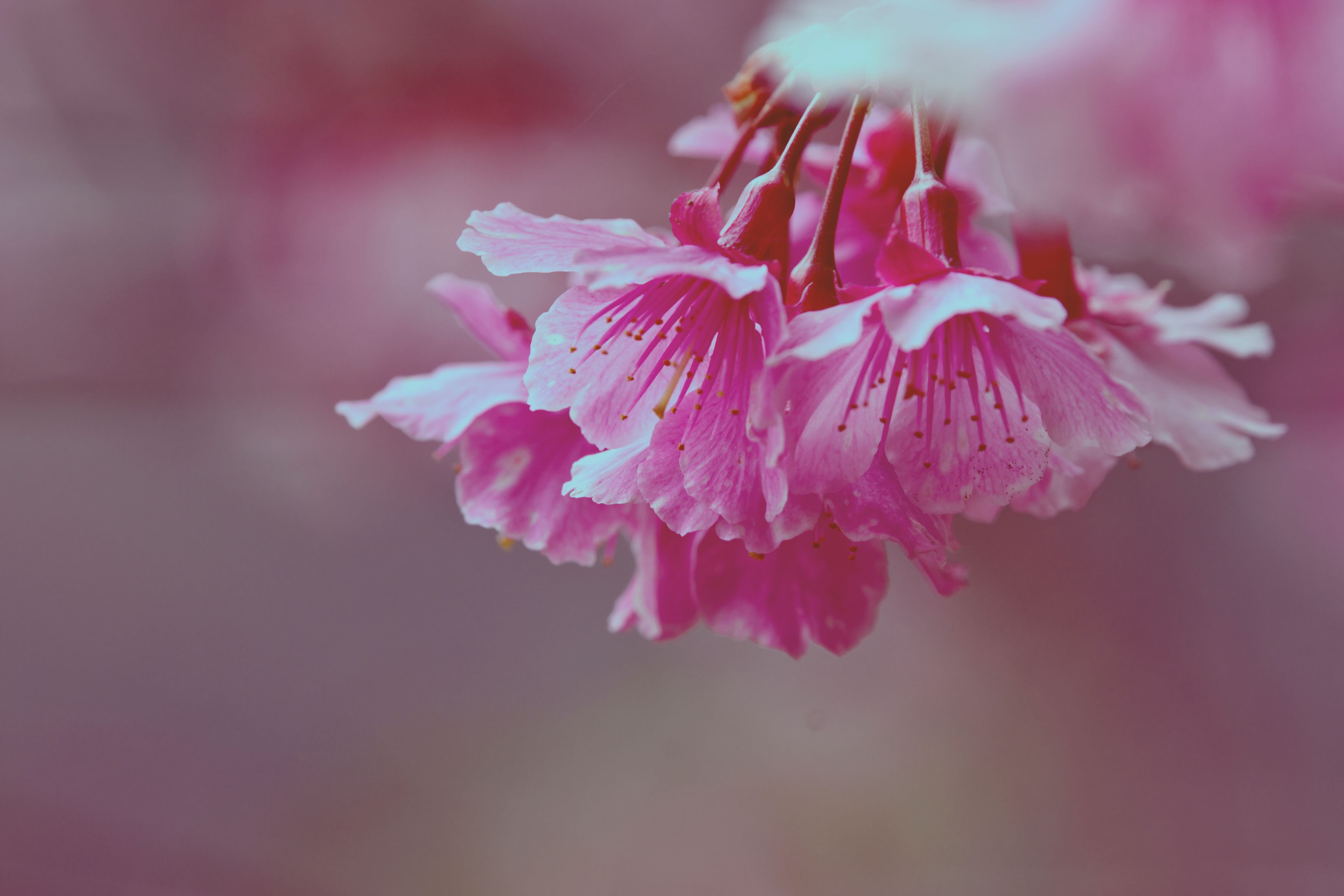
- The main act (mid to late March): the Yoshino cherry blooms in snow-like pink-white — the classic star, concentrated around Zhushan, Zhaoping and the Alishan House.
- Late (early to mid April): double-petalled varieties such as Takasago, Kanzan and Fugenzo wrap up.
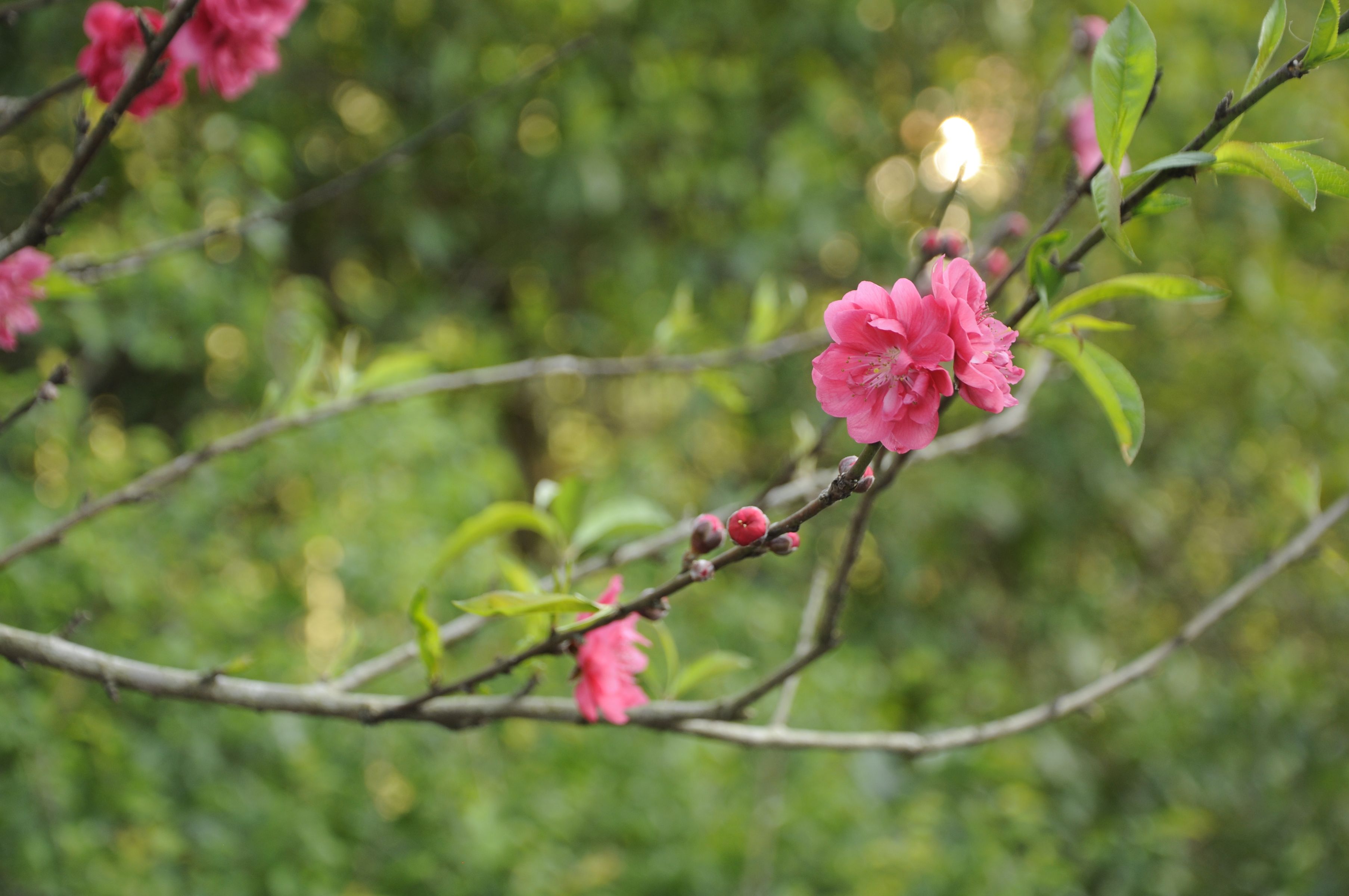
For peak Yoshino bloom, late March is usually the safest bet — but weather swings the timing, so always check that year's live bloom report before locking a date. For the nationwide picture, see our Taiwan cherry blossom charter guide.
Highway 18 traffic control and the Leye transfer
This is where most visitors get caught out. During the season, specific sections of Highway 18 restrict private cars on weekend and holiday mornings (in 2026, for example, official notices set several weekends and holidays in mid-March to early April, daily 6:00–11:00, on roughly the 66K–88K section; exact dates and sections follow that year's official announcement).
Within the restricted window, private cars must park around the Leye / 61K transfer service area and switch to a shuttle up the mountain. In practice this means three pain points:
- Early traffic jams and limited parking — long loops just to find a space.
- Shuttle queues and separate tickets, hard going with elderly travellers and kids.
- The same queue for the shuttle back down, right when everyone is most tired.
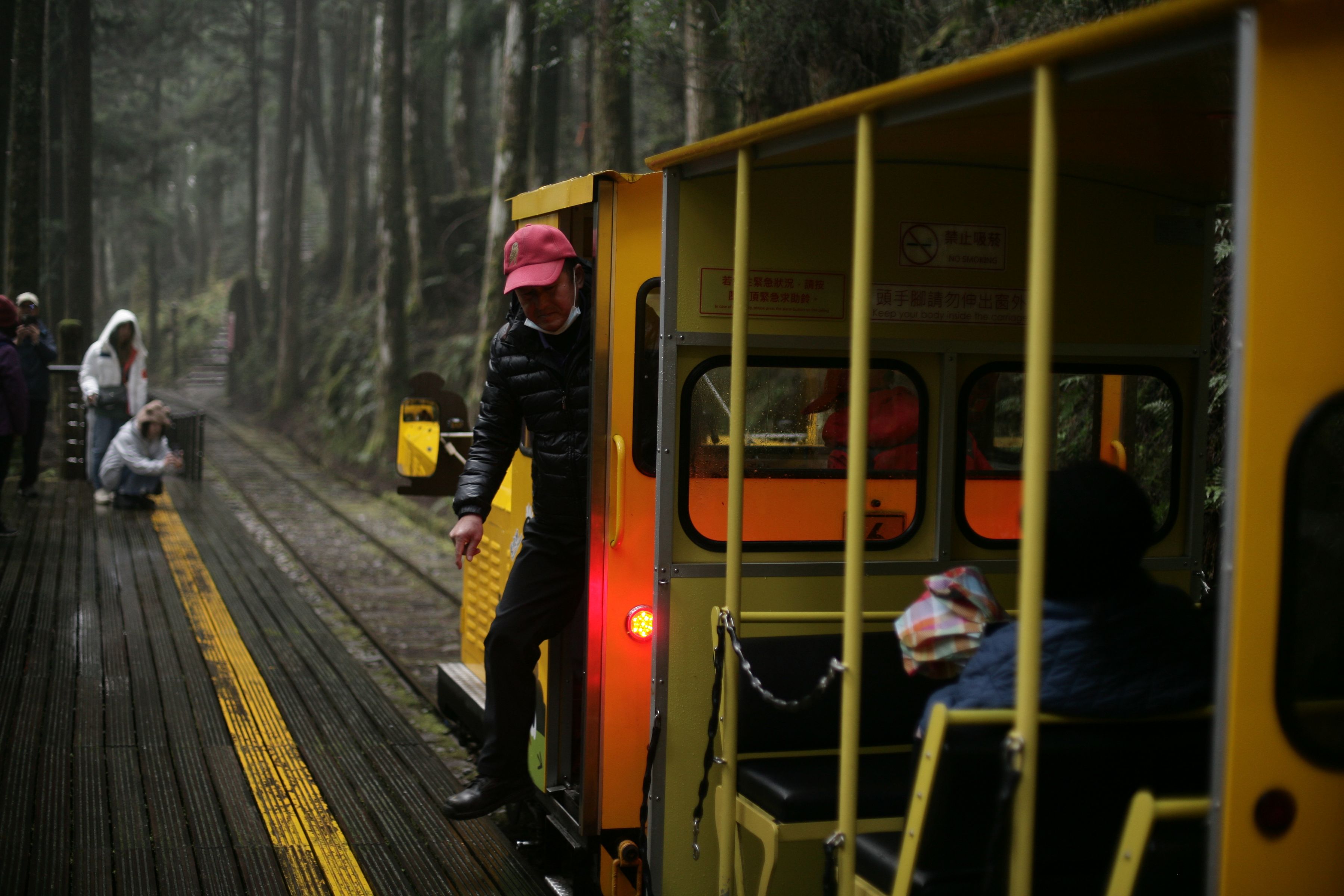
If you want to ride the Alishan railway too, pair this with our Alishan sunrise forest railway guide.
How a charter skips the queue: precise transfer outside the control zone
The value of an Alishan cherry blossom tour shows most when the transport is harder than the sights:
- Timing flexibility: a driver who knows the restriction schedule can get you in before it starts, or meet you precisely at a pickup point outside the control zone — no hunting for parking on unfamiliar roads.
- No self-driving, no fighting for a space: sleep on the way up, walk off and enjoy — no luggage in a shuttle line.
- One vehicle, door to door: board at Chiayi HSR or TRA station, luggage stays in the car, and add stops like Fenqihu or the Tsou villages of Dabang on the way.
- Reads the conditions: with sudden closures or shifting bloom, a local driver adjusts the route on the fly, spending your limited season time well.
Self-driving saves on the fare — but in peak season the real cost is time and energy, which is exactly what a charter buys back.
A sample one-day blossom itinerary
A common one-day rhythm during the season, fine-tuned to that year's bloom and controls:
- 06:00–07:00 depart Chiayi: an early start beats the traffic, with the prettiest mountain mist.
- 08:00 arrive: start at the Zhaoping railway and park — Yoshino cherries look best in morning light.
- 09:30 forest trails: Sister Ponds and the giant-tree boardwalks, where crowds thin out.
- 11:30 Alishan House area: the old cherry king and garden blossoms, plus lunch.
- 13:30 Zhushan lookout: an elevated view over the whole sea of blossoms and clouds.
- 15:00 head down: leave before evening to dodge the return-shuttle peak.
For sunrise chasers, shift earlier and pair with an Alishan sunrise charter to see the sunrise first, then the blossoms.
Alpine layering and practical reminders
At over 2,000 m, Alishan mornings during the season often sit at 5–10°C or colder, with a big day-night swing:
- Layer up: a windproof jacket, hat and gloves are essential; sunrise is colder still.
- Sturdy shoes: trails mean steps and boardwalks, slippery after rain — go non-slip.
- Sun and moisture: alpine UV is strong; don't be fooled by the cool air.
- Entry ticket separate: the recreation area charges admission; prices and discounts follow the official notice.
- Bloom changes fast: peak lasts only a few days, so check that year's live report before you go.
What it costs, and how to get a fast quote
A season charter price depends on group size, vehicle, pickup point (Chiayi city / HSR / TRA), duration and add-ons (Fenqihu, Dabang and more) — there is no single flat rate. You will also see reference price ranges for Alishan day tours on platforms like KKday, Klook and VELTRA, useful as a market benchmark — but inclusions (tickets, shuttle, meals) vary widely, so read each carefully.
RaywayGO quotes custom per group and route, so you never have to guess the going rate. Send us your date, group size, pickup point and wish list via our quick online enquiry and we reply within 2 hours, with Chinese, English, Japanese and Korean support — so your only job that day is taking photos. Vehicles book out fast in season, so the earlier you reserve, the better your date is protected.