
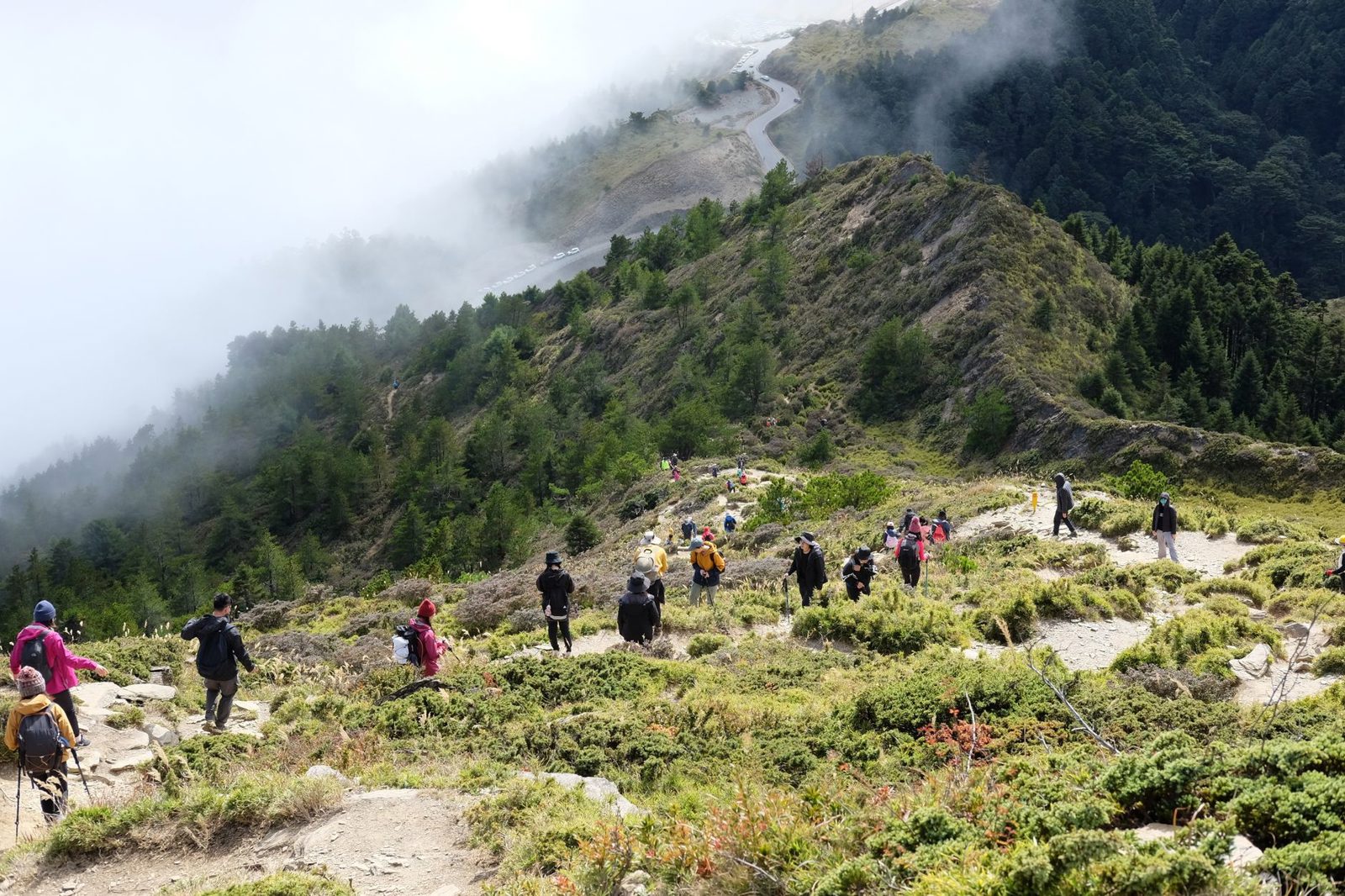
The short answer: how to dress for a Taiwan winter
Taiwan's winter (December to February) is mild in the lowlands, with average temperatures of roughly 13–26°C and no sub-zero cold. But the north is damp and chilly, the south is sunny and warm, and the high mountains hover around 0°C, so one trip can cover several climates. The most useful rule is layering:
- Taipei and the north: long sleeves + sweater or fleece + windproof, water-resistant jacket, plus a folding umbrella
- Taichung, Kaohsiung, Kenting: T-shirt or light long sleeves + a light jacket; daytime can feel warm
- Cingjing, Alishan, Hehuanshan: down jacket, beanie, gloves and warm trousers, no exceptions
This article focuses on temperatures and what to wear. For where to go in winter (hot springs, strawberries, cherry blossoms, New Year and Lunar New Year), see our Taiwan Winter Travel Guide (Dec–Feb).
Average temperatures by region, December to February
These are the Central Weather Administration (CWA) 1991–2020 climate normals (average low to average high, rounded to whole degrees). They are long-term averages, not forecasts: during a cold surge Taipei can drop below 10°C, so check the latest forecast before you go.
- Taipei: Dec 16–21°C | Jan 14–19°C | Feb 14–20°C
- Taichung: Dec 15–24°C | Jan 13–22°C | Feb 14–23°C
- Kaohsiung: Dec 18–25°C | Jan 16–24°C | Feb 17–25°C
- Kenting (Hengchun station): Dec 20–25°C | Jan 19–24°C | Feb 19–26°C
- Hualien: Dec 17–23°C | Jan 16–21°C | Feb 16–22°C
- Sun Moon Lake (about 1,000 m): Dec 13–21°C | Jan 11–19°C | Feb 12–20°C
- Alishan: Dec 5–13°C | Jan 3–11°C | Feb 4–12°C
- Yushan (about 3,850 m, high-mountain reference): Dec -2 to 7°C | Jan -4 to 5°C | Feb -3 to 5°C
Cingjing (about 1,700–2,000 m) and Hehuanshan (Wuling Pass about 3,275 m) have no CWA climate normals. Cingjing sits roughly between Sun Moon Lake and Alishan; for Hehuanshan, use Yushan as a guide: winter mornings are often around 0°C, some road sections ice over, and snow is possible when a cold air mass moves south.
The north (Taipei, Jiufen, Yilan): beat the wind and rain
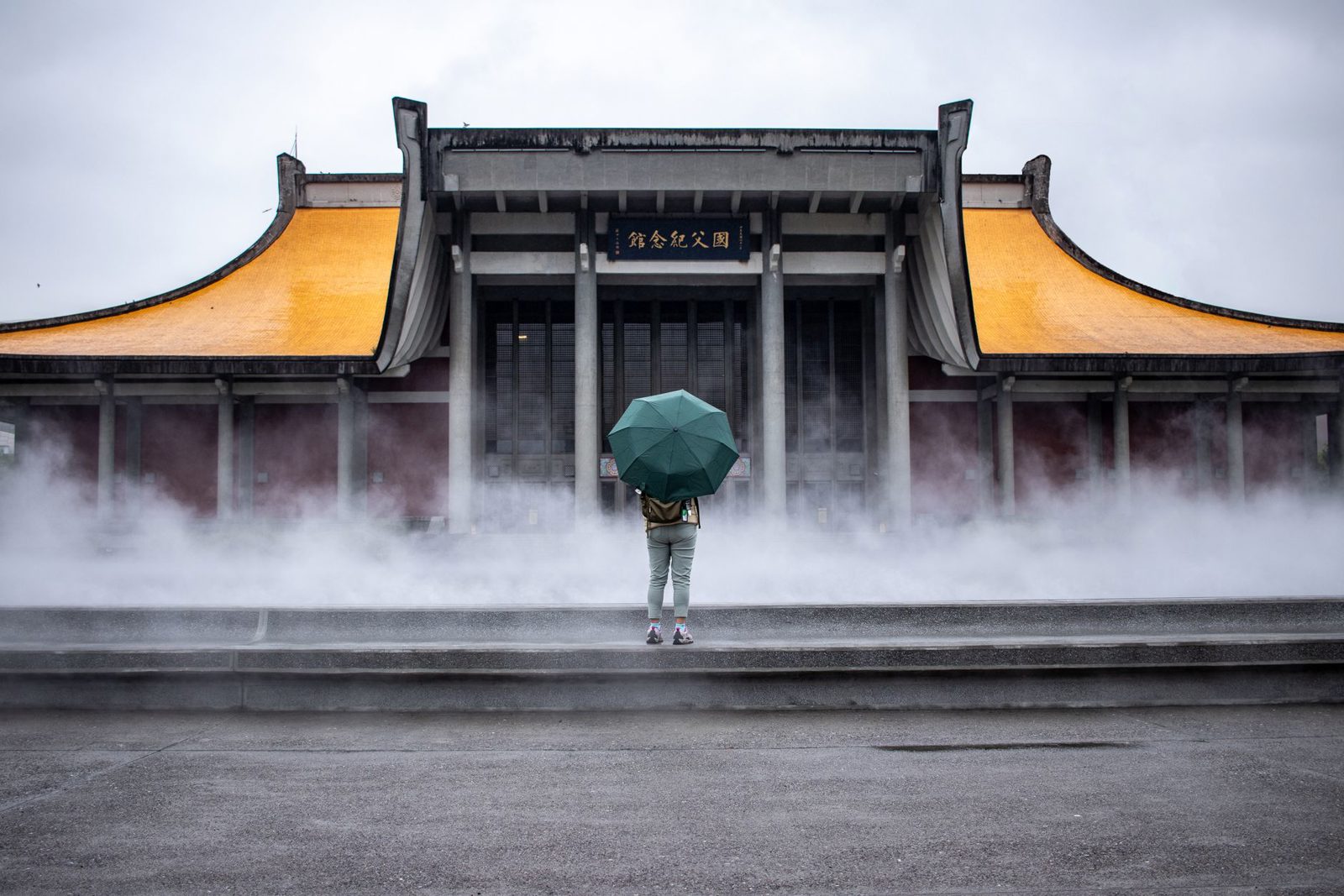
Taipei averages about 14–19°C in January, which sounds mild, but the drizzle and humidity brought by the northeast monsoon make it feel colder, and most indoor spaces have no heating. What to wear:
- Thermal or long-sleeve top + sweater/fleece + windproof, water-resistant jacket
- A compact umbrella or rain poncho, and non-slip shoes that can handle puddles
- Jiufen, the North Coast and Yangmingshan are windier, so add a scarf
- During a cold surge (below 10°C in the lowlands), add a packable light down jacket
Central and southern Taiwan (Taichung, Tainan, Kaohsiung, Kenting): spring by day, jacket at night
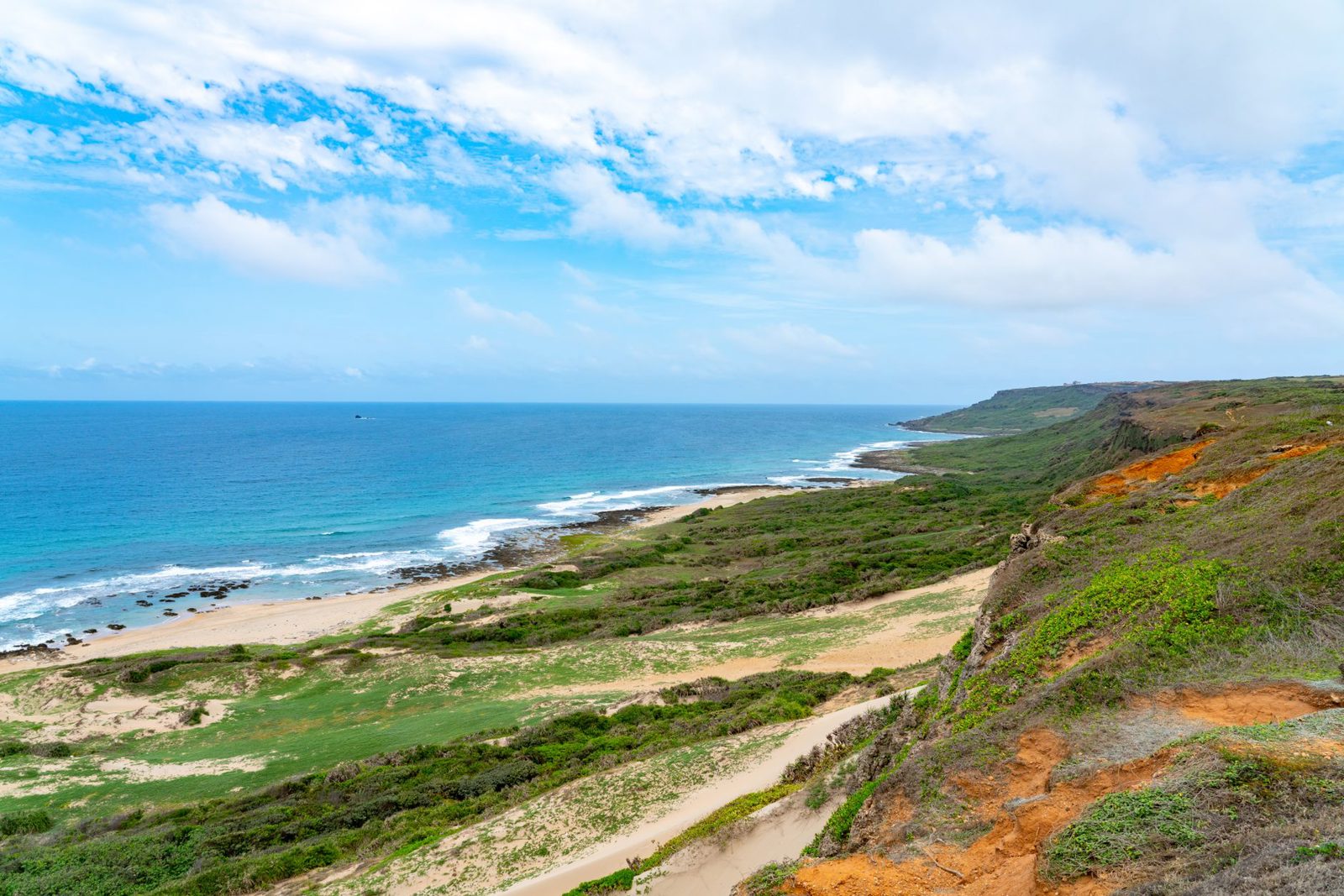
Winter is the dry season in central and southern Taiwan, with plenty of sunshine. Kaohsiung averages about 24°C by day in January and Kenting is warmer still, so a T-shirt is often enough in the daytime. Taichung, however, can drop to around 13°C in the morning and evening, a daily swing of nearly 10°C. What to wear:
- T-shirt or light long sleeves + an easy-on, easy-off light jacket or cardigan
- The winter sun is still strong: bring a hat, sunglasses and sunscreen
- Kenting gets strong northeast winds in winter (locally called *luoshan* winds), so pack a windbreaker for the coast
The east (Hualien): mild, but wetter and windier than the south
Hualien averages about 16–21°C in January, slightly warmer than Taipei, but the northeast monsoon brings frequent rain and strong coastal wind. Dress much as you would for the north: a light sweater plus a windproof jacket. If you head up into the mountains towards Hehuanshan, switch to the high-mountain kit below.
The mountains (Cingjing, Alishan, Hehuanshan): a 20°C swing in one day
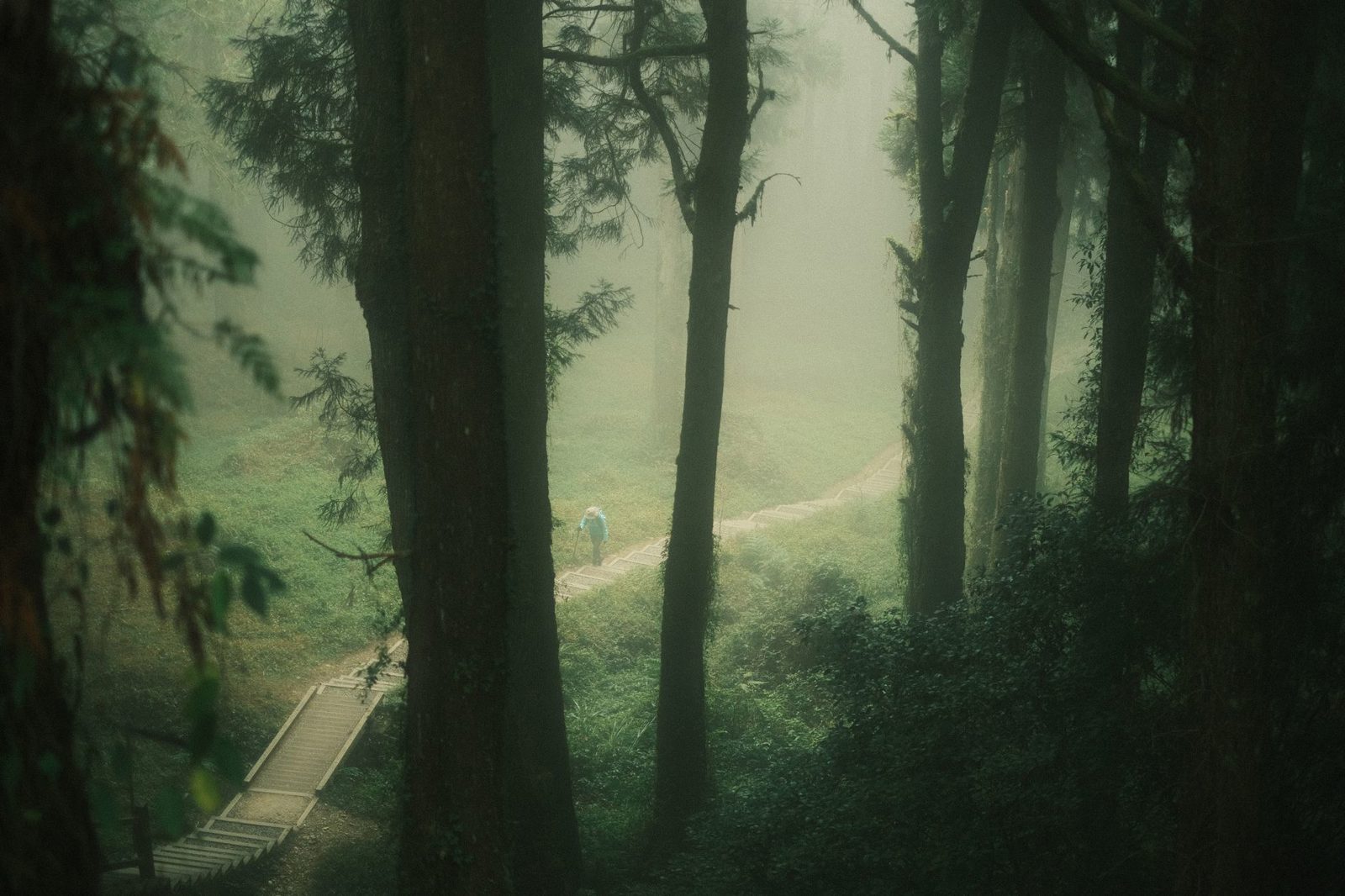
Mountain trips are where people most often dress wrong. You might leave Taichung in 13–22°C weather and, a few hours later, stand on Hehuanshan at around 0°C. Alishan's average January low is about 3°C, and sunrise mornings feel colder. As a rule of thumb, temperature drops about 0.6°C for every 100 m you climb. What to bring:
- Down jacket (a packable one is easiest) + thermal base layer + warm trousers
- Beanie, gloves and scarf, especially for sunrise or stargazing
- Non-slip trainers or hiking shoes; icy or snowy paths are slippery
- On Hehuanshan, snow chains may be required when there is ice or snow; check announcements from the Highway Bureau and Taroko National Park before you go
Planning to chase snow? See Hehuanshan Snow Charter.
December, January and February: month by month
- December: Most lowland days are comfortable, while the north turns damp and cool. In Taipei wear a light sweater and jacket; in the south a light jacket is enough. If you wait outdoors for Christmas or New Year's Eve fireworks, add an extra layer.
- January: On average the coldest month of the year. In the north, be ready to add a light down jacket; in the mountains, go fully winterised.
- February: Similar to January, and cold air masses can still arrive around Lunar New Year; by late February the south starts warming up by day. For cherry blossoms and Lunar New Year outings, layering is the safest bet.
To compare all four seasons, see Best Time to Visit Taiwan.
Winter packing list
- 1–2 thermal tops, long-sleeve shirts, a sweater or fleece
- A windproof, water-resistant jacket; a light down jacket if you are going up the mountains
- Folding umbrella or light rain poncho
- Beanie, gloves and scarf (for the mountains or if you feel the cold)
- Comfortable non-slip shoes and spare socks
- Lip balm and moisturiser (mountain air is cold and dry)
Private charter: leave your jacket in the car
The hardest part of a winter trip across regions is switching between "20°C in the lowlands" and "0°C in the mountains" on the same day. With a charter you keep the same vehicle all day, so your down jacket, rain gear and spare clothes can stay in the car until you need them; there is no carrying them around all day. On rainy days you are dropped at the door, and indoor and outdoor stops can be swapped to suit the weather. Mountain roads to Cingjing, Alishan and Hehuanshan are driven by local drivers who know them well.
- Full-day charter: NT$4,000 for a small car or NT$6,500 for a large van, 8 hours, one vehicle with driver
- Our drivers speak Chinese; booking and pre-trip contact can be done in English, Japanese or Korean by text, your itinerary and pick-up point are confirmed in writing in advance, and a translation app works well in the car
Vehicles are limited over winter holidays, so book early. Send us your dates, group size and where you want to go, and we will reply with a quote within 2 hours.