Taiwan, Land of Tea: From High-Mountain Oolong to Sun Moon Lake Black Tea
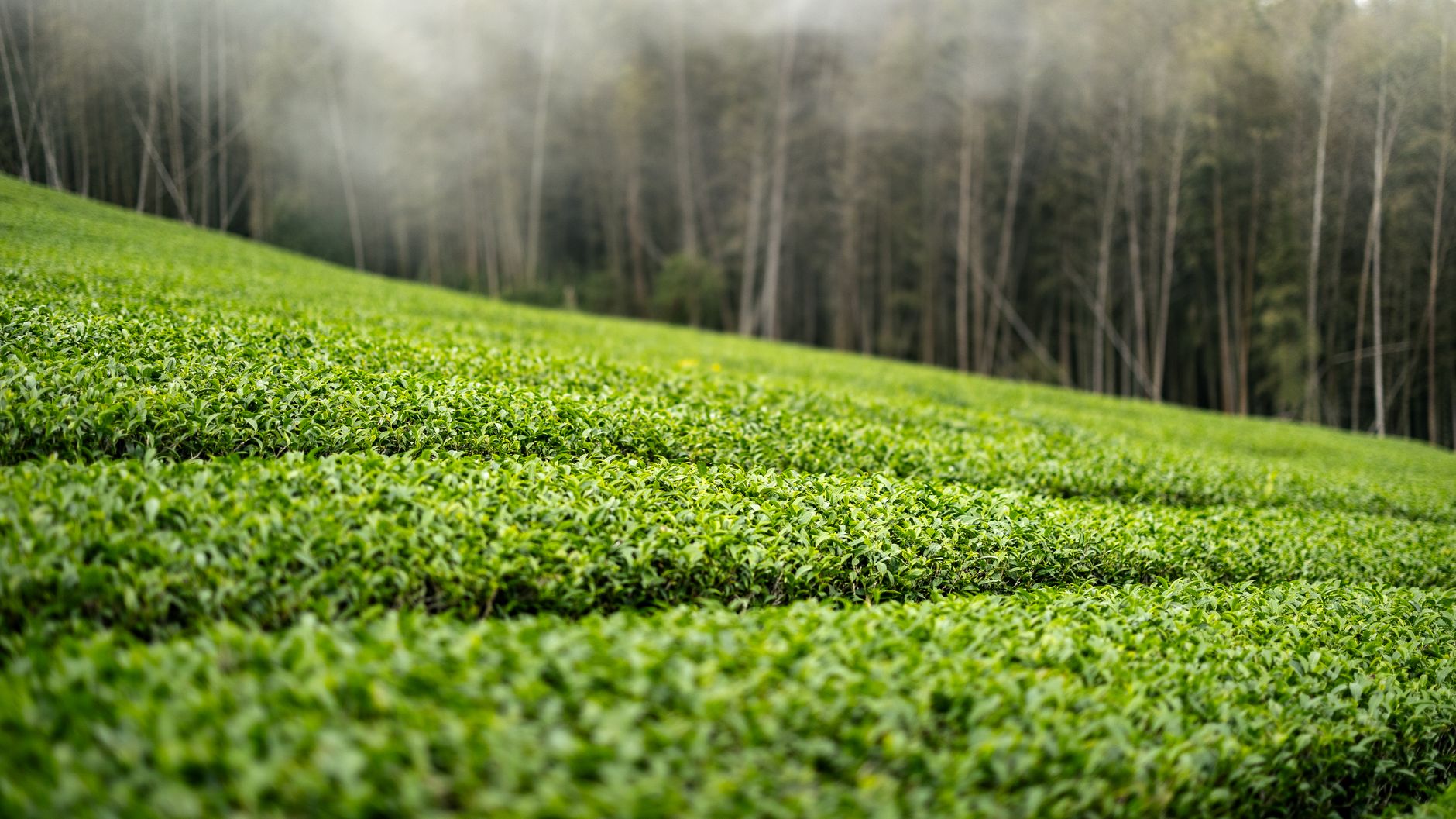
Taiwan sits on the Tropic of Cancer, blessed with a mild climate and mountains over 2,000 metres — the perfect cradle for a tea culture admired worldwide. From fragrant, sweet-finishing high-mountain oolong, deeply roasted Dongding and delicately floral Wenshan Baozhong, to rich Tieguanyin, honeyed Oriental Beauty, and Sun Moon Lake's Ruby black tea, the variety is vast and each has its own character. A trip through tea country lets you stroll and photograph among mist-wrapped plantations, and — through a tea ceremony — savour the Taiwanese art of "making friends over tea." It isn't just drinking tea; it's one of the finest ways to get close to local life, and paired with a route like the Alishan sunrise and forest railway, mountain views and tea aroma come together in one journey.
Taiwan's Six Signature Teas: Know What to Sip
Taiwan makes countless teas; knowing these signature styles gives your tasting and shopping some direction:
- High-mountain oolong — grown above 1,000 m; fragrant, honey-green in the cup, with a clear sweet finish. The most internationally famous.
- Dongding oolong — born in Lugu, Nantou; roasted, mellow and steady.
- Wenshan Baozhong — centred on Pinglin, New Taipei; lightly oxidised and elegantly floral, hailed as the "king of aroma."
- Tieguanyin — around Maokong, Taipei; heavily roasted with a lingering sweet aftertaste.
- Oriental Beauty (Bai Hao oolong) — Beipu and Emei, Hsinchu; its honeyed-fruit aroma comes from leafhopper-bitten leaves, utterly unique.
- Ruby black tea (Taiwan Tea No. 18) — from Sun Moon Lake, with natural cinnamon and mint notes.
Not sure where to start? Plan around the tea region your route passes through — the most convenient and the freshest.
Northern Tea Regions: Pinglin Baozhong, Maokong Tieguanyin & Beipu Oriental Beauty
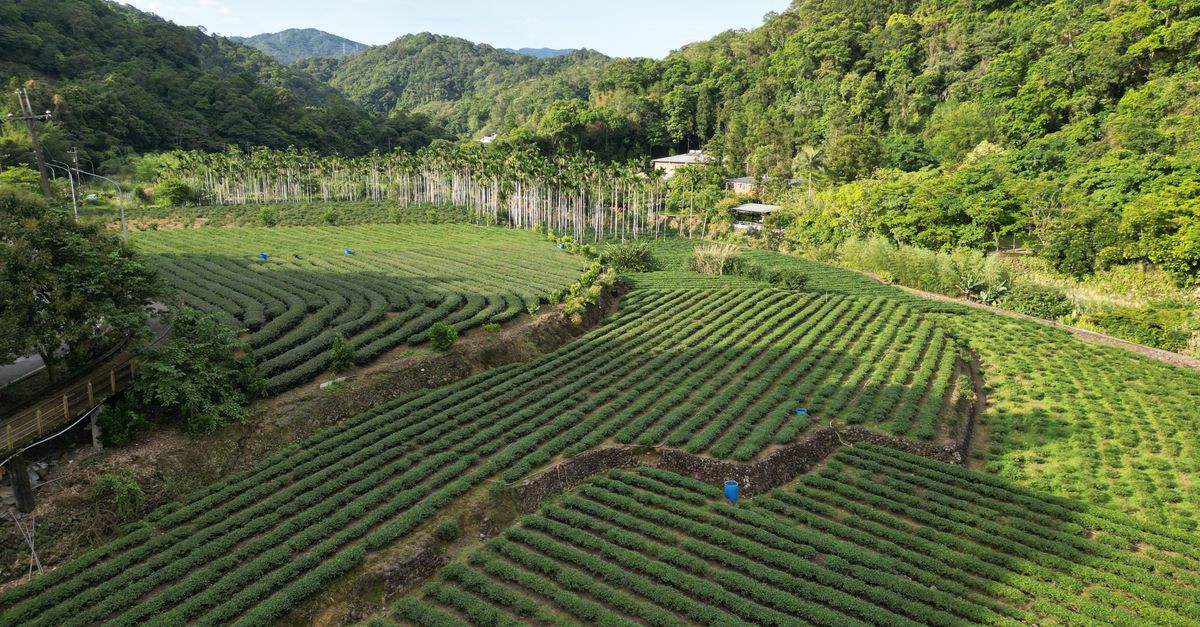
If your trip centres on greater Taipei, the northern tea regions are relatively easy to reach — perfect for a half- or full-day tea-themed outing:
- Pinglin, New Taipei — home of Wenshan Baozhong, with the Pinglin Tea Industry Museum and green plantations along the Beishi River where you can learn the craft.
- Maokong, Taipei — famed for Tieguanyin; ride the Maokong Gondola up the hill and sip tea at a teahouse overlooking the Taipei basin, especially lovely after dark.
- Beipu & Emei, Hsinchu — Hakka tea country, known for the uniquely honeyed Oriental Beauty, where you can also make Hakka lei cha (ground tea).
To pair Beipu's old streets and heritage with your tea, extend your day with the Hsinchu Neiwan day tour and gather Hakka charm and tea aroma in one go.
Central & Southern Tea Regions: Lugu Dongding, Alishan High-Mountain Tea & Sun Moon Lake Black Tea
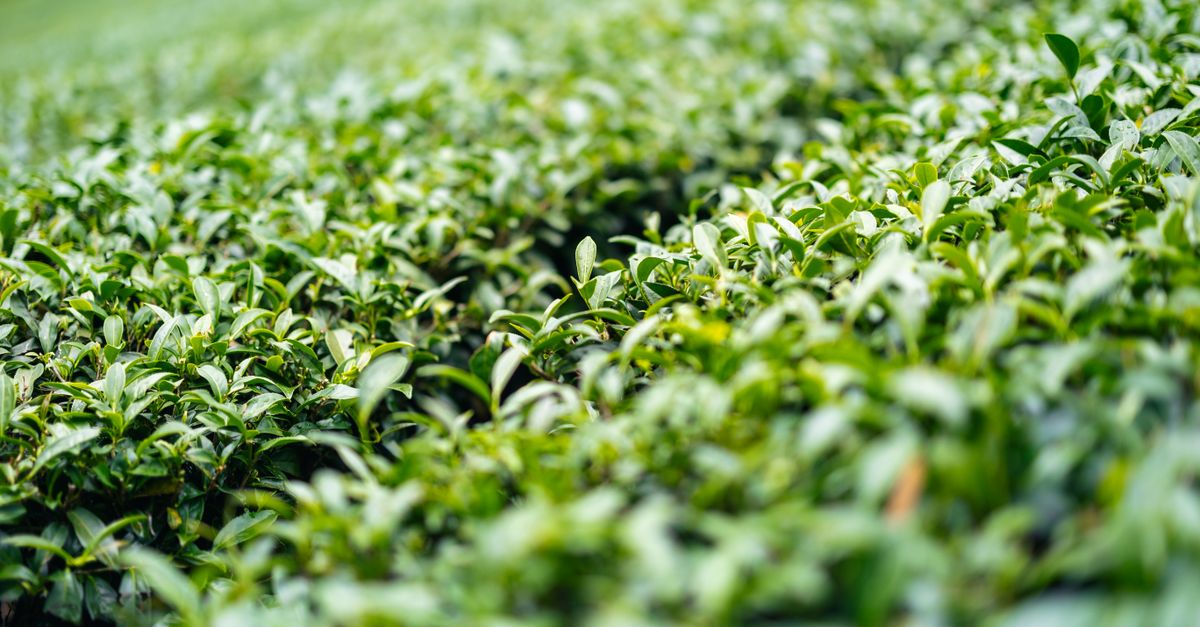
The true heart of high-mountain tea lies among the central and southern peaks — the most classic tea-trip route of all:
- Lugu, Nantou — birthplace of Dongding oolong, with golden liquor and a deep roasted character; nearby Xitou and Shanlinxi pair well.
- Alishan, Chiayi — Taiwan's flagship high-mountain region; high altitude and wide day-night temperature swings yield fragrant, smooth oolong, and the mist-shrouded plantations are stunning.
- Sun Moon Lake / Yuchi, Nantou — famed for Ruby black tea (Taiwan Tea No. 18), with natural cinnamon and mint notes.
Extend Alishan with the Alishan sunrise and forest railway, and link Sun Moon Lake to the Sun Moon Lake day tour, stringing lake and mountain scenery together with tea aroma. These regions lie deep in the mountains — scenery and tea in equal measure.
Tea Farm Experiences: Picking, DIY Tea-Making & Ceremonies
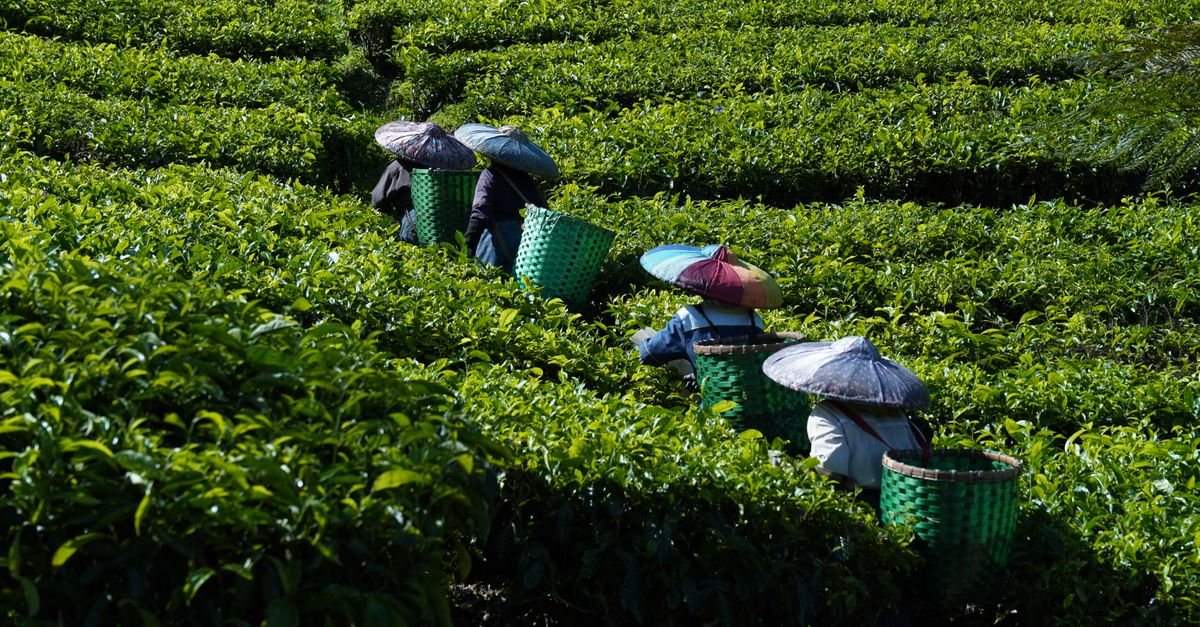
Once you reach tea country, don't just drink a cup and leave. Most tea farms offer rich hands-on experiences (some need advance booking):
- Tea-picking — don a bamboo hat, sling on a basket and learn the "one bud, two leaves" knack (subject to the picking season).
- Tea-making DIY — try withering, rolling and roasting, and finish your own little tin of tea by hand.
- Tea ceremony — a tea master guides you through warming the pot, measuring leaves, appreciating aroma and brewing.
- Tea in the kitchen — tea-oil noodles, tea eggs and tea ice treats, cooking the aroma right into the food.
- Buying gifts — pick high-quality leaves as presents; nothing says Taiwan quite like it.
For an extra taste of local life, cap the day with a Taiwan night market food tour — tea by day, street snacks by night.
Harvest Seasons & the Best Time to Visit
Tea flavour shifts with the seasons, so knowing the harvest calendar before you go helps you get the most out of a trip:
- Spring tea (roughly Mar–May) — the most prized of the year: full aroma and a rounded mouthfeel, especially for high-mountain teas.
- Winter tea (roughly Nov–Dec) — substantial and long-steeping, equally sought after.
- Summer — flavour is lighter in most areas, but it's exactly the season for Oriental Beauty, which relies on leafhopper bites.
High-altitude regions like Alishan and Lugu have big temperature swings, frequent mist and cool mornings and evenings — dress in layers and bring rain gear, and watch your footing as mountain paths can be slippery. Actual picking and DIY hours vary slightly year to year, so follow each farm's official announcements. To plan the seasons in more detail, read on with our guide to Taiwan's seasons and best time to visit.
Why a Charter Suits a Tea Trip Best — Get a Quick Quote
Taiwan's tea regions are scattered through the mountains of Alishan, Lugu, Pinglin and Beipu, with winding roads, sparse public transport, and picking or tea-making that often has to fit set time slots — and hauling freshly bought tea between buses is no fun. With a Rayway GO charter, a local driver who knows the mountain roads adjusts on the fly around the harvest season and weather, strings plantations together with the Maokong Gondola, a Sun Moon Lake cruise or Alishan, and keeps your luggage and tea gifts in the car. It's the most comfortable choice for elders, for a leisurely tasting, or for visiting several tea towns in one trip. For a deeper multi-day journey, see our round-island multi-day charter or learn about our professional multilingual charter service. Tell us your group size, dates and the tea regions you'd like — send a quick enquiry through the website and we'll reply within 2 hours, with pricing based on your route and party size (final cost per the formal quote).