The Bottom Line First: There's No "Best," Only "Best for This Trip"
Private charter vs bus vs self-drive is the choice every Taiwan visitor faces sooner or later. Plenty of articles push charter for everything, but that's not honest. The truth is simpler: no single option is always best — only the right mix for the trip in front of you.
Here's the one-line version:
- City-only travel plus dense public transit (Taipei, Taichung, Kaohsiung centres, with HSR between cities): buses/metro + HSR are usually the smartest and cheapest. A charter is often overkill.
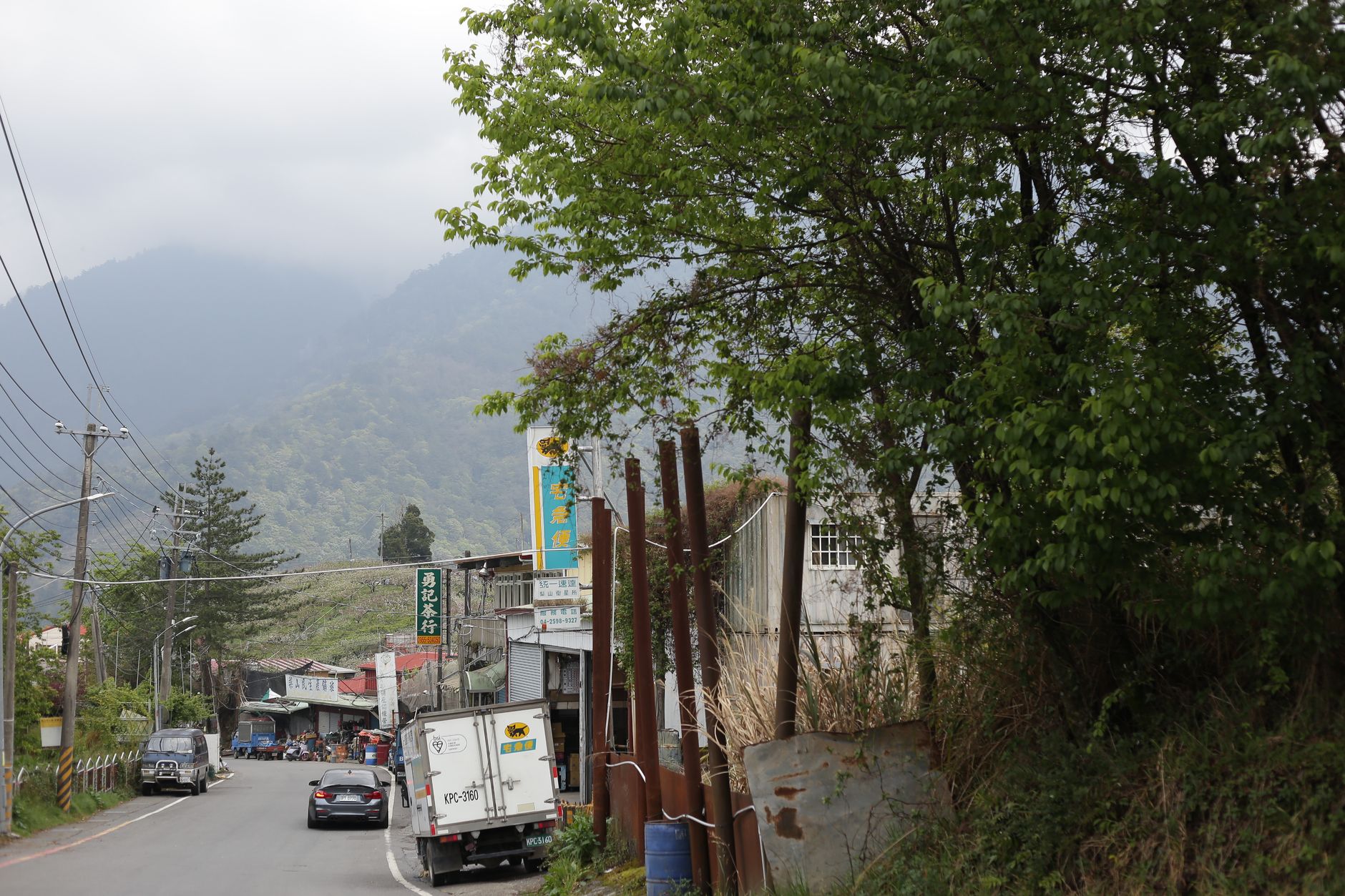
- Groups, elderly or young kids, scattered stops, remote mountains or coast: a private charter trades one car for a whole day of freedom — usually the most relaxing and, per head, often the best value.
- Two people or fewer who love controlling the pace and are confident driving in Taiwan: self-drive gives the most freedom, but also the highest barrier and hidden costs.
This piece doesn't sell you a charter — it compares all three honestly and then gives scenario-based advice. If you want a fares-and-tools breakdown, pair it with our Taiwan transport guide: charter vs HSR & trains. This article answers the harder question: is a charter actually worth it?
At a Glance: Charter vs Bus vs Self-Drive Across Six Dimensions
Line the three up against the six things travellers actually care about and the differences become obvious:
Flexibility (change plans, stop on a whim)
- Charter: Highest. Stop anywhere, chase a view, reshuffle the route mid-day.
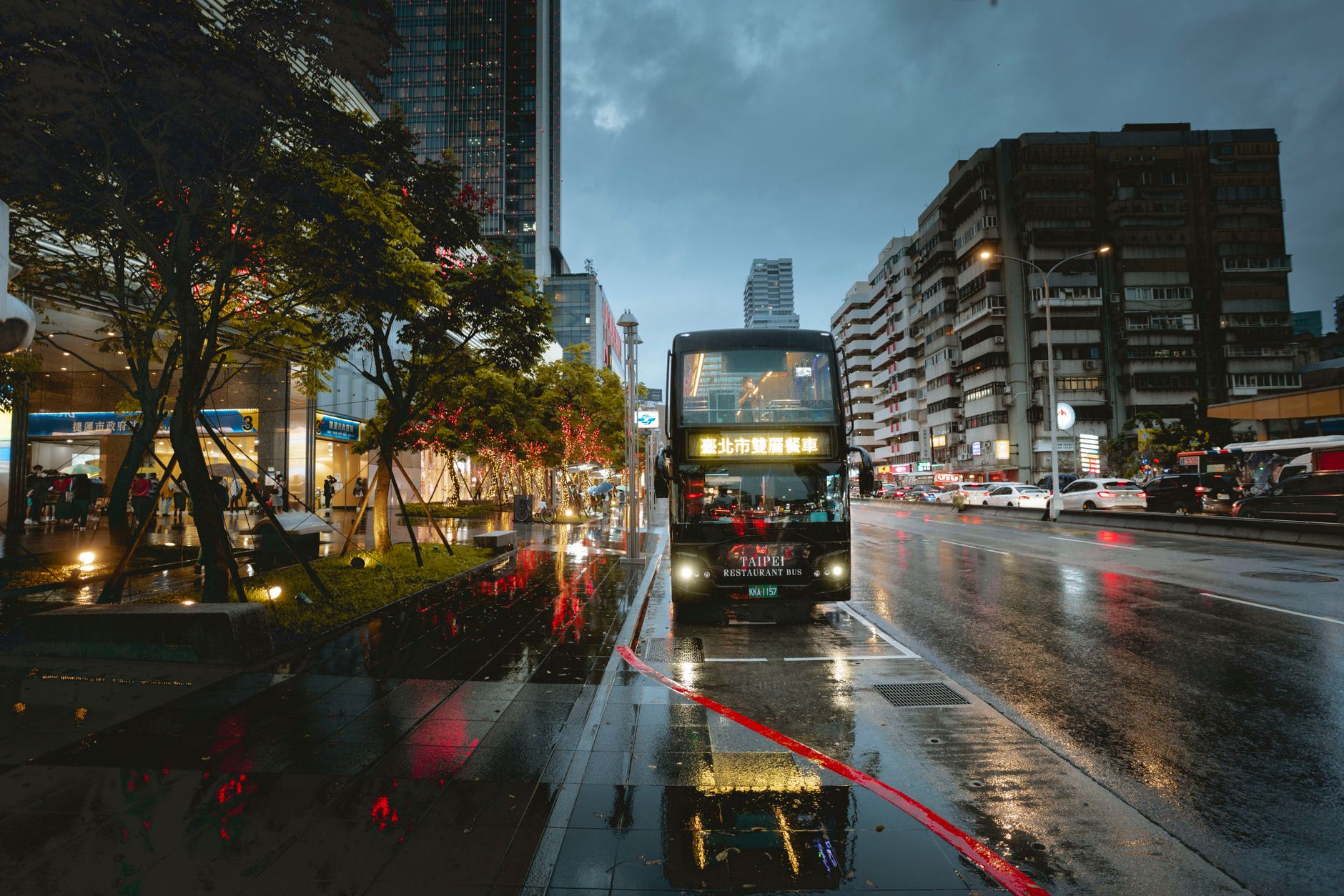
- Public transit: Lowest. Fixed schedules and stops; miss one and you may wait a while.
- Self-drive: High, but you do the driving, navigating and parking yourself.
Cost logic (not a fixed number — how it's calculated)
- Charter: Priced per car. The more people splitting it, the better the value; worst for solo.
- Public transit: Priced per head. Cheapest for small numbers, adds up for groups.
- Self-drive: Rental + fuel + parking + freeway ETC tolls — cheap on paper, plus extras.
Best suited for
- Charter: Families, elderly or kids, small groups of 3–6, heavy luggage, scattered itineraries.
- Public transit: Solo travellers, budget-first trips, major cities and popular spots.
- Self-drive: Couples or pairs comfortable with right-hand traffic who want deep freedom.
Language
- Charter: Request a Mandarin / English / Japanese / Korean-speaking driver who translates and recommends all day.
- Public transit: You read signs and apps yourself; rural signage isn't friendly to foreign travellers.
- Self-drive: Entirely on you — navigation, refuelling, even traffic fines.
Luggage
- Charter: Never carry it. Bags ride with you — ideal for multi-stop days or shopping hauls.
- Public transit: HSR and TRA have luggage limits; hauling big cases on a packed metro is grim.
- Self-drive: Toss it in the boot, but mind the car and bags at every stop.
Reaching remote spots (mountains, coast, back roads)
- Charter: Strongest. Drivers know the roads and reach places transit simply can't.
- Public transit: Weakest. Rural buses may run a few times a day — or not at all.
- Self-drive: Doable, but winding mountain roads and narrow lanes test your nerve.
The Honest Part: When Public Transit Beats a Charter
If a transport article only ever tells you to charter, it's probably selling something. Our position is clear: in the cases below, buses/metro + HSR usually beat a charter — don't charter just for the sake of it.
- One or two people on a budget: A charter is priced per car, so a small group pays a lot each. Intercity HSR + local metro/bus will almost always cost less.
- City-only travel: Taipei and Kaohsiung metros are dense, frequent and cheap; in traffic, the metro often beats any car.
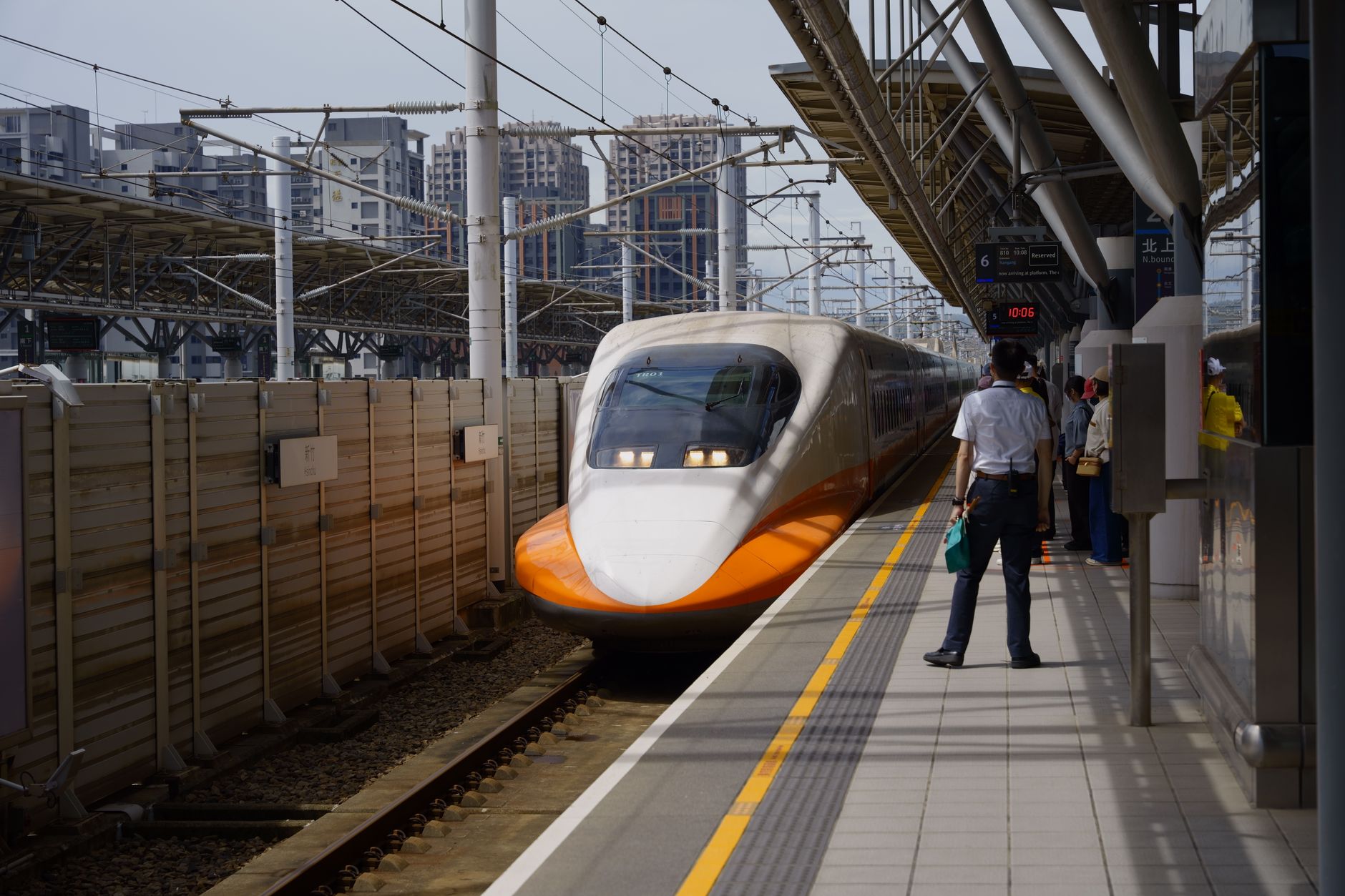
- Every stop sits on a transit trunk line: Taipei–Taichung–Kaohsiung, for example — HSR does it in just over an hour, and a charter on the freeway is slower and dearer.
- You enjoy a slower, stop-and-go rhythm: If waiting on a platform and improvising is part of the fun, transit has a freedom of its own.
A genuinely smart hybrid is: HSR for the long haul, then a local half-day or full-day charter for the scattered suburban sights. You save on distance and buy flexibility exactly where you need it — the "last mile." We dig into that combo in the charter vs HSR guide.
Self-Drive: Maximum Freedom, Highest Hidden Barrier
Self-drive sounds like the freest option, but its barriers and hidden costs are routinely underestimated. Before you rent, ask yourself honestly:
- You'll need an International Driving Permit plus your home licence, and rentals often require minimum driving experience; some firms have extra rules for foreign visitors — check each rental company's latest terms.
- Taiwan drives on the right, with heavy scooter and pedestrian traffic, dense city streets and long, winding mountain bends — stressful if you're not used to it.
- Parking and tolls: spaces are scarce at popular sights, cities charge by the hour, and freeways use ETC — the extras add up.
- Cost of things going wrong: a scrape, a fine or a breakdown is all on you, language barrier included.
Self-drive suits pairs or solo drivers who want total control and are confident with right-hand traffic. If you simply don't want to be tied to timetables but don't want to drive either, what you actually want is a charter — the wheel goes to a local who knows the roads, with near self-drive freedom and none of the driving stress.
When a Charter Is Genuinely Worth It
So when is a charter truly good value, not just comfortable? It comes down to dividing the per-car price by heads and the hassle it removes:
- Numbers flip the maths: split among 3–6 people, the per-person cost can match or beat individual tickets — plus door-to-door ease.
- Travelling with elderly, kids or expectant mums: no transfers, no lugging bags, no long walks — safety and energy saved are hard to price.
- Many scattered stops in one day: transit means waiting and changing at every leg; one charter car threads it all together most efficiently.
- Places transit can't reach: hidden mountain spots, coastlines, deep back roads — this is where a charter is irreplaceable.
- You value language and local know-how: a language-matched driver is effectively a local guide who also drives.
Travelling with family? Start with the Taiwan family charter guide. Planning a multi-day, multi-county run? The Taiwan round-island charter fits better.
Advice by Scenario: Four Travellers, Four Choices
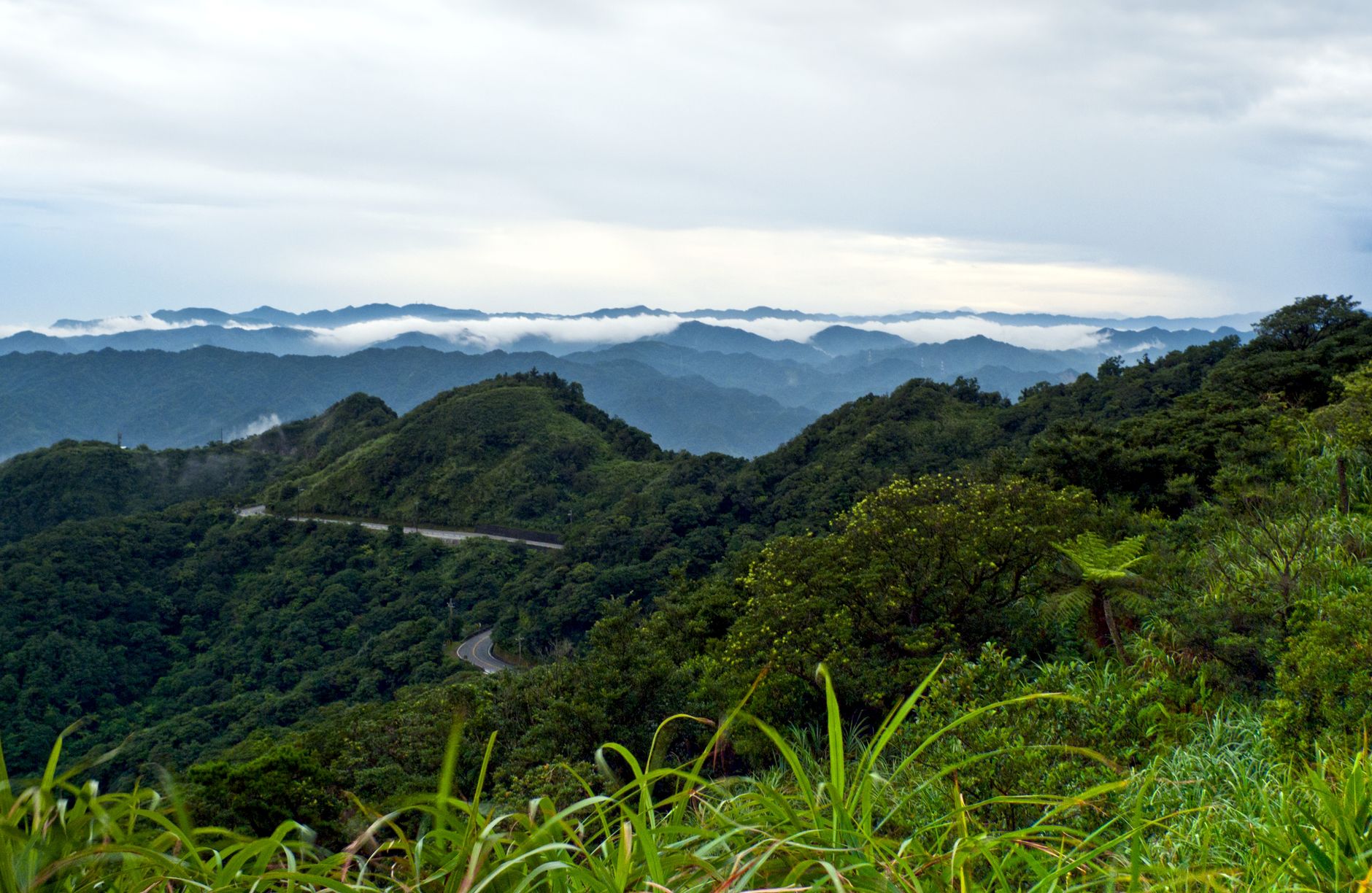
Apply the logic to the four most common travel scenarios for a straight answer:
- Solo, budget-first: Public transit as the base. HSR between cities, metro within them, then a single shared or half-day charter for the remote bits. Full charter rarely pays off solo.
- Family with elderly or kids: Charter as the base. Door-to-door, no luggage hauling, no timetables — safety and ease far outweigh the fare gap, especially with scattered stops.
- Many stops across counties: HSR + local charter hybrid. Long legs by HSR to save time and money, charter on arrival for the scattered suburban sights.
- Remote mountains, coast, back roads: Charter (or self-drive if you're confident). Transit barely reaches these, with minimal service; a driver who knows the roads is safest.
One caution: if your remote target is Taroko Gorge, several main-line trails (Shakadang, Swallow Grotto, Tunnel of Nine Turns, Zhuilu and more) have been closed long-term since the 2024 earthquake, and access changes often — always confirm against Taroko National Park's latest official notices before you go.
How to Decide: Three Questions, One Minute
Don't want the full read? Locate yourself with three questions:
- How many of you? One or two → transit first; three or more → seriously consider a charter.
- Concentrated or scattered? On the city trunk lines → HSR + metro; scattered or deep into suburbs, mountains, coast → charter.
- Will you drive in Taiwan, and do you care about language? Won't drive and want communication → charter; happy to drive and want full autonomy → self-drive.
If the answer points to a charter, you don't need to lock the route before asking a price. Send your headcount, dates and wish-list stops through the RaywayGO site — we'll quote by route and group size and reply within two hours, and can build the cheapest "HSR + local charter" combo and assign a Mandarin / English / Japanese / Korean-speaking driver. For airport connections, see the Taoyuan Airport transfer guide. Compare honestly, pick the one that fits this trip — that's the best decision there is.